Product Description
The spare part of cement screw conveyor include screw blade, universal joint, hanging bearing, reducer and end bearing, etc.
a.Screw blade
As the main spare part, screw blade plays a vital role in driving material movement. In general, screw blade can help complete conveying operation, at the same time possessing the functions of stirring and mixing materials.
1.Continuous cold rolled helical screw blade has features of smooth surface, high hardness, wear resistance and continuous weld-free.
2.Advanced technology process creates superior quality, saving raw materials.
3.Screw blade can achieve high transmission efficiency.
4.PK Machinery can make tailored screw blade according to your specific needs.
b.Universal joint
Universal joint utilizes spherical device to achieve export of different directions shaft power .It is a important part of cement screw conveyor.
1.Multi-angle adjustment ,easily connected with other equipment;
2.Fine joint sealing ,avoiding leaking material.
3.Production wear resistance ,long service life.
4.Convenient operation ,largely bearing capacity.
c.Hanging Bearing
Hanging bearing is installed to connect 2 screw shafts for screw conveyor longer than 3-4m,it plays an important role to bear whole screw weight and rotating force.
1.High precision, small volume, light weight;
2.Strong carrying capacity, convenient installation;
3.Ensure screw conveyor in a superior working status;
4.Prolong the life span of screw conveyor;
5.Ensure screw conveyor coaxiality, reduce resistance and noise.
d.Reducer
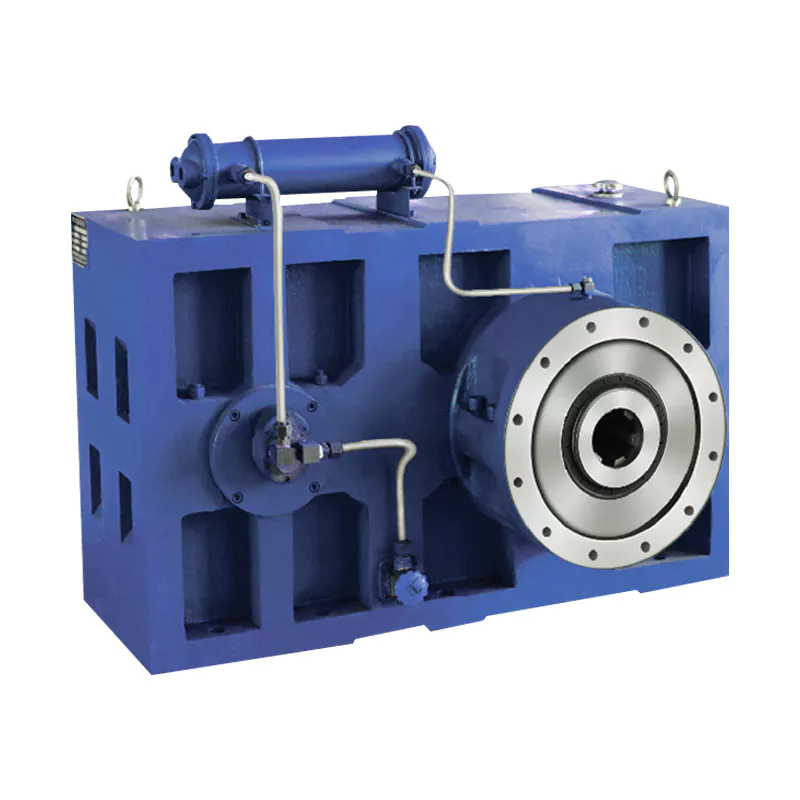
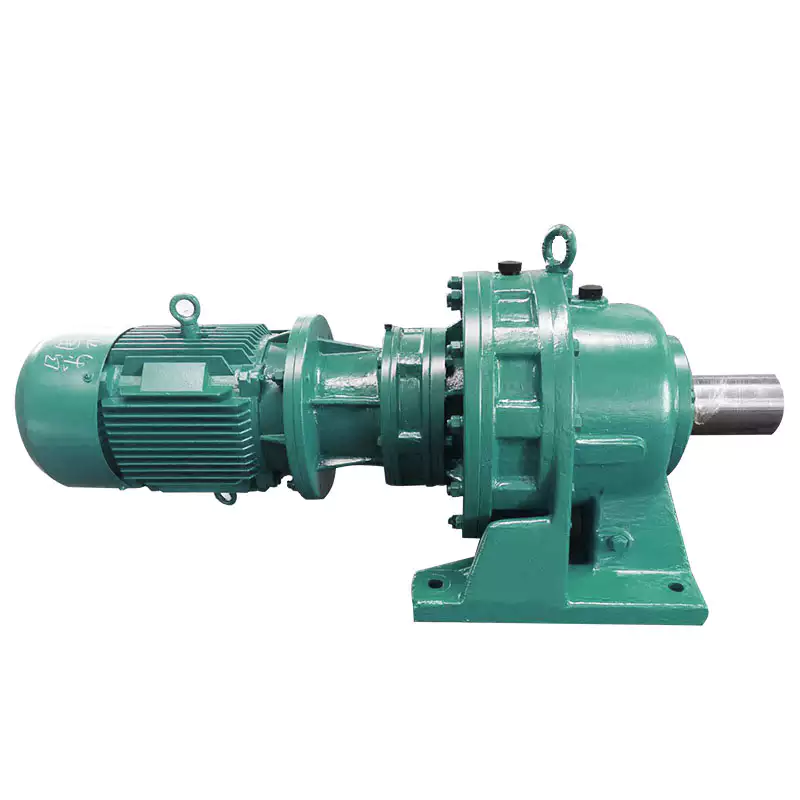
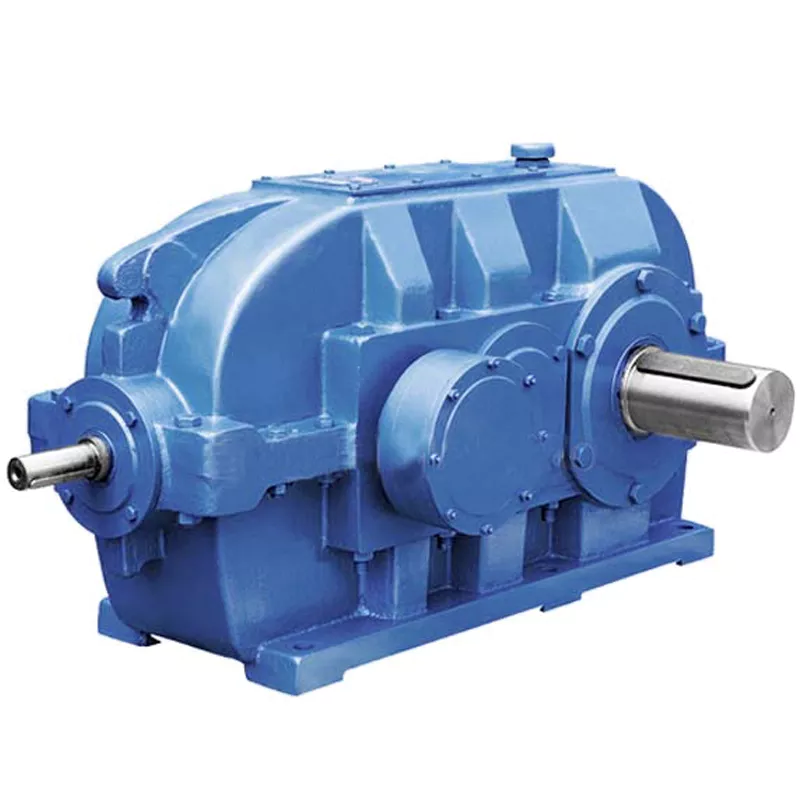
Reducer is a kind of power transmission equipment, the type provided by PK Machinery is special for cement screw conveyor.
1.Connect with motor and drive directly;
2.Reliable and durable;
3.Low energy consumption and high efficiency;
4.Low maintenance;
4. Reducer is suitable for all kinds of motors, save the cost of whole machine.
e.End bearing
End bearing is 1 of the important part for cement screw conveyor, it is used for support the rotated shaft at the end of the cement screw conveyor.
1.Faster installation.
2.Lower maintenance.
3.Reduce the friction coefficient during operation.
4.Ensure the rotating accuracy of the cement screw conveyor.
Technical data Screw blade
| Outer Dia. (mm) | Inner Dia. (mm) | Screw Pitch (mm) | Plate Thickness (mm) |
| 140 | 60 | 140 | 3.5 |
| 140 | 60 | 110 | 3.5 |
| 140 | 60 | 140 | 5 |
| 140 | 60 | 110 | 5 |
| 190 | (60) (73) | 200 | 3.5 |
| 190 | (60) (73) | 133 | 3.5 |
| 190 | (60) (73) | 200 | 5 |
| 190 | (60) (73) | 133 | 5 |
| 240 | (60) (73) | 240 | 5 |
| 240 | (60) (73) | 166 | 5 |
| 290 | (89) (114) | 300 | 5 |
| 290 | (89) (114) | 220 | 5 |
| 220 | 140 | 180 | 5 |
| 292 | 114 | 300 | 7.2 |
| 292 | 114 | 220 | 7.2 |
We mainly provide the following equipments :
| Vibrating Screen | Rotary vibrating screen |
| Ultrasonic vibrating screen | |
| Gyratory screen | |
| Trommel screen | |
| Linear vibrating screen | |
| Circular vibrating screen | |
| Dewatering screen | |
| Vibrating feeder | |
| Belt Conveyor | Belt conveyor |
| Sidewall belt conveyor | |
| Portable belt conveyor | |
| Shuttle conveyor | |
| Tripper | |
| Bucket Elevator | Efficient bucket elevator |
| Belt bucket elevator | |
| Ring chain bucket elevator | |
| Plate chain bucket elevator | |
| Cement bucket elevator | |
| Silo bucket elevator | |
| Screw Conveyor | U-type screw conveyor |
| Cement screw conveyor | |
| Pipe screw conveyor | |
| Scraper Conveyor | Horizontal scraper chain conveyor |
| Incline scraper chain conveyor | |
| Grain scraper chain conveyor |
| Type: | Screw Conveyor |
|---|---|
| Structure: | Inclining Conveyor |
| Material: | Carbon Steel |
| Material Feature: | Fire Resistant |
| Certification: | ISO9001:2008, ISO9001:2000, CE |
| Energy Saving: | Energy Saving |
| Samples: |
US$ 500/Set
1 Set(Min.Order) | Can you provide real-world examples of products that use gear reducer technology?Certainly! Gear reducer technology is widely used in various industries and products to enhance performance and efficiency. Here are some real-world examples: 1. Industrial Machinery: Gear reducers are commonly used in manufacturing machinery, such as conveyor systems, material handling equipment, and assembly lines, where they help control speed and torque for precise operations. 2. Wind Turbines: Wind turbines utilize gear reducers to transform the low rotational speed of the wind turbine rotor into the higher speed needed for electricity generation, optimizing energy conversion. 3. Automotive Transmissions: Automobiles use gear reducers as part of their transmissions to optimize power delivery from the engine to the wheels, allowing the vehicle to operate efficiently at different speeds. 4. Robotics: Robotic systems rely on gear reducers to control the movement and articulation of robot arms, enabling precise and controlled motion for various applications. 5. Printing Presses: Gear reducers are integral to printing presses, ensuring accurate and synchronized movement of printing plates, rollers, and paper feed mechanisms. 6. Conveyor Belts: Conveyor systems in industries like mining, agriculture, and logistics use gear reducers to regulate the movement of materials along the conveyor belts. 7. Packaging Machinery: Gear reducers play a crucial role in packaging machines, controlling the speed and movement of packaging materials, filling mechanisms, and sealing components. 8. Cranes and Hoists: Cranes and hoists rely on gear reducers to lift heavy loads with precision and control, ensuring safe and efficient material handling. 9. Pumps and Compressors: Gear reducers are utilized in pumps and compressors to regulate fluid flow and pressure, optimizing energy usage in fluid transportation systems. 10. Agriculture Equipment: Tractors and other agricultural machinery use gear reducers to adjust the speed and power delivery for different tasks, such as plowing, planting, and harvesting. These examples demonstrate the diverse applications of gear reducer technology across various industries, showcasing their role in enhancing efficiency, control, and performance in a wide range of products and systems. |
|---|
| Customization: |
Available
| What role do gear ratios play in optimizing the performance of gear reducers?Gear ratios play a crucial role in optimizing the performance of gear reducers by determining the relationship between input and output speeds and torques. A gear ratio is the ratio of the number of teeth between two meshing gears, and it directly influences the mechanical advantage and efficiency of the gear reducer. 1. Speed and Torque Conversion: Gear ratios allow gear reducers to convert rotational speed and torque according to the needs of a specific application. By selecting appropriate gear ratios, gear reducers can either reduce speed while increasing torque (speed reduction) or increase speed while decreasing torque (speed increase). 2. Mechanical Advantage: Gear reducers leverage gear ratios to provide mechanical advantage. In speed reduction configurations, a higher gear ratio results in a greater mechanical advantage, allowing the output shaft to deliver higher torque at a lower speed. This is beneficial for applications requiring increased force or torque, such as heavy machinery or conveyor systems. 3. Efficiency: Optimal gear ratios contribute to higher efficiency in gear reducers. By distributing the load across multiple gear teeth, gear reducers with suitable gear ratios minimize stress and wear on individual gear teeth, leading to improved overall efficiency and prolonged lifespan. 4. Speed Matching: Gear ratios enable gear reducers to match the rotational speeds of input and output shafts. This is crucial in applications where precise speed synchronization is required, such as in conveyors, robotics, and manufacturing processes. When selecting gear ratios for a gear reducer, it’s important to consider the specific requirements of the application, including desired speed, torque, efficiency, and mechanical advantage. Properly chosen gear ratios enhance the overall performance and reliability of gear reducers in a wide range of industrial and mechanical systems. Customized Request |
|---|
How do gear reducers handle variations in input and output speeds?
Gear reducers are designed to handle variations in input and output speeds through the use of different gear ratios and configurations. They achieve this by utilizing intermeshing gears of varying sizes to transmit torque and control rotational speed.
The basic principle involves connecting two or more gears with different numbers of teeth. When a larger gear (driving gear) engages with a smaller gear (driven gear), the rotational speed of the driven gear decreases while the torque increases. This reduction in speed and increase in torque enable gear reducers to efficiently adapt to variations in input and output speeds.
The gear ratio is a critical factor in determining how much the speed and torque change. It is calculated by dividing the number of teeth on the driven gear by the number of teeth on the driving gear. A higher gear ratio results in a greater reduction in speed and a proportionate increase in torque.
Planetary gear reducers, a common type, use a combination of gears including sun gears, planet gears, and ring gears to achieve different speed reductions and torque enhancements. This design provides versatility in handling variations in speed and torque requirements.
In summary, gear reducers handle variations in input and output speeds by using specific gear ratios and gear arrangements that enable them to efficiently transmit power and control motion characteristics according to the application’s needs.


editor by CX 2023-08-29