Product Description
Technical Parameter
| Housing material | HT200 high-strength cast iron(EWR37, EWR47, EWR57, EWR67, EWR77, EWR87) |
| Housing material | HT250 High strength cast iron(EWR97, EWR 107, EWR137, EWR147, EWR167) |
| Gear material | 20CrMnTi |
| Gear Surface&hardness | HRC58°-62° |
| Gear core hardness | HRC33°-78° |
| Input/Output shaft material | 40Cr |
| Gear Machining precision | Accurate grinding 6-5 grade |
| Heat treatment | Carburizing, Quenching etc |
| Efficiency | Up to 92% |
| Noise(Max) | 60-67dB |
| Installation type | Foot mounted, flange mounted |
| Output type | Solid shaft |
| Bearing brand | NSK, SKF, HRB, ZWZ etc |
| Oil seal brand | NAK, KSK etc |
| Lubricant | VG220 |
| Motor | IP55, F class |
| Motor shaft | 40Cr, Carburizing, Quenching etc |
| Warranty | 12months |
| Color | Blue, Grey |
| Model | EWR37 | EWR47 | EWR57 | EWR67 | EWR77 | EWR87 | EWR97 | EWR107 | EWR137 | EWR147 | EWR167 |
| Weight | 9 | 14 | 24 | 27 | 33 | 60 | 110 | 150 | 255 | 365 | 615 |
| Shaft Ф | 25mm | 30mm | 35mm | 35mm | 40mm | 50mm | 60mm | 70mm | 90mm | 110mm | 120mm |
Packing
Features
♦Specially designed for agitator.
♦Compact structure, Integrated casting housing, low noise and long service life.
♦High efficiency and low maintenance.
Design
♦ Reducing Ratio: 2 stage 5~24.8, 3 stage 27.2~264, EWR/EWR combination type can be up to 18125.
♦ Mounting Type: Foot mounted, Flange mounted.
♦ Output Shaft: CHINAMFG shaft.
♦ Efficiency: Two-stage96%, three-stage 94%, and combination of EWR/EWR85%.
Technical Data
♦Size EWR37-EWR167
♦ Output Torque 130~18000N. M
♦ Motor Power 0.18~160kw
♦ Ratio 5~264(imax: 18125)
Industrial Application
♦Power Plant Equipment
♦Metallurgical Industry
♦Metal Forming Machinery
♦Petrochemical Industry
♦Mining Machine
♦Hoisting Machinery
♦Construction Industry
♦Environmental Protection Industry
♦Cable Industry
♦Food Machinery
Certificates
Passed ” ISO 9001 International Quality System Certificate”, “Europe CE Certificate”, ” Swiss SGS Certificate”, “High-tech enterprise certificate of ZheJiang city”, “Excellent performance management enterprise of ZheJiang city”, etc.
FAQ
1. Q: Can you make as per custom drawing?
A: Yes, we offer customized service for customers.
2. Q: Are you a factory or trading company?
A. We are manufacturer in ZheJiang China.
3. Q: What’s your MOQ?
A: One piece.
4. Q: What’s your production time?
A: 7-15 working days after receiving payment.
5. Q: What’s your payment terms?
A: T/T, 30% payment in advance, 70% balance payment should be paid before shipping.
6. Q: What’s your package?
A: In wooden box packaging.
Company information
ZheJiang CHINAMFG Gear Reducer Co., Ltd. We are professional manufacturer of the helical gear reducers and specialize in the gear reducers area in China for 20 years. CHINAMFG has excellent R&D team, top-ranking production and test equipment. So we have the strong power in the developing and manufacturing the standards type as well as the customized type gear reducer for our customers. /* January 22, 2571 19:08:37 */!function(){function s(e,r){var a,o={};try{e&&e.split(“,”).forEach(function(e,t){e&&(a=e.match(/(.*?):(.*)$/))&&1
| Application: | Machinery |
|---|---|
| Hardness: | Hardened Tooth Surface |
| Installation: | Horizontal Type |
| Layout: | Coaxial |
| Gear Shape: | Helical Gear |
| Step: | Three-Step |
| Customization: |
Available
| Customized Request |
|---|
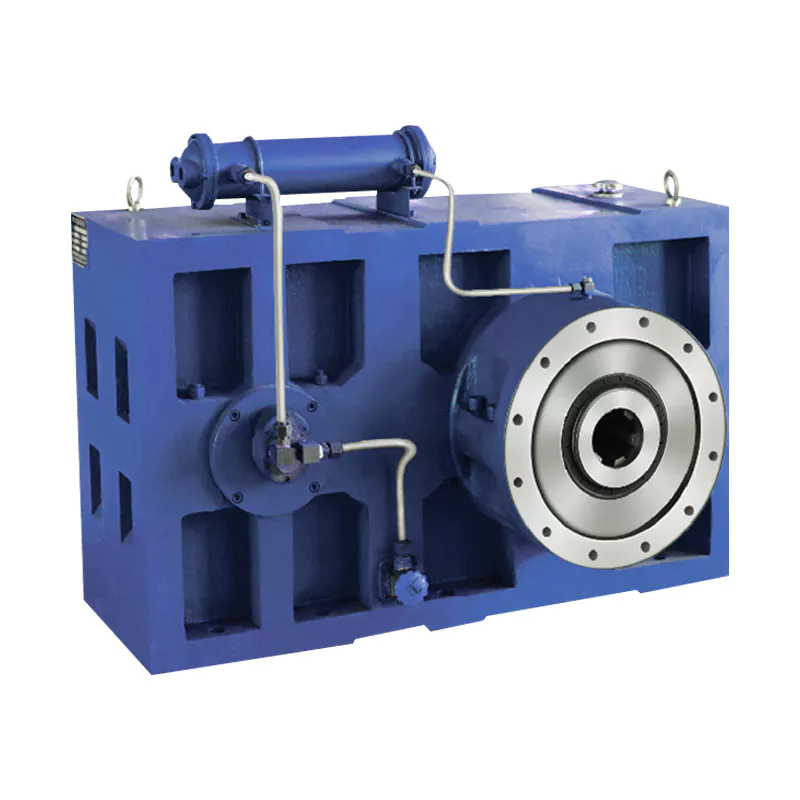
Can you provide real-world examples of products that use gear reducer technology?
Certainly! Gear reducer technology is widely used in various industries and products to enhance performance and efficiency. Here are some real-world examples:
1. Industrial Machinery: Gear reducers are commonly used in manufacturing machinery, such as conveyor systems, material handling equipment, and assembly lines, where they help control speed and torque for precise operations.
2. Wind Turbines: Wind turbines utilize gear reducers to transform the low rotational speed of the wind turbine rotor into the higher speed needed for electricity generation, optimizing energy conversion.
3. Automotive Transmissions: Automobiles use gear reducers as part of their transmissions to optimize power delivery from the engine to the wheels, allowing the vehicle to operate efficiently at different speeds.
4. Robotics: Robotic systems rely on gear reducers to control the movement and articulation of robot arms, enabling precise and controlled motion for various applications.
5. Printing Presses: Gear reducers are integral to printing presses, ensuring accurate and synchronized movement of printing plates, rollers, and paper feed mechanisms.
6. Conveyor Belts: Conveyor systems in industries like mining, agriculture, and logistics use gear reducers to regulate the movement of materials along the conveyor belts.
7. Packaging Machinery: Gear reducers play a crucial role in packaging machines, controlling the speed and movement of packaging materials, filling mechanisms, and sealing components.
8. Cranes and Hoists: Cranes and hoists rely on gear reducers to lift heavy loads with precision and control, ensuring safe and efficient material handling.
9. Pumps and Compressors: Gear reducers are utilized in pumps and compressors to regulate fluid flow and pressure, optimizing energy usage in fluid transportation systems.
10. Agriculture Equipment: Tractors and other agricultural machinery use gear reducers to adjust the speed and power delivery for different tasks, such as plowing, planting, and harvesting.
These examples demonstrate the diverse applications of gear reducer technology across various industries, showcasing their role in enhancing efficiency, control, and performance in a wide range of products and systems.
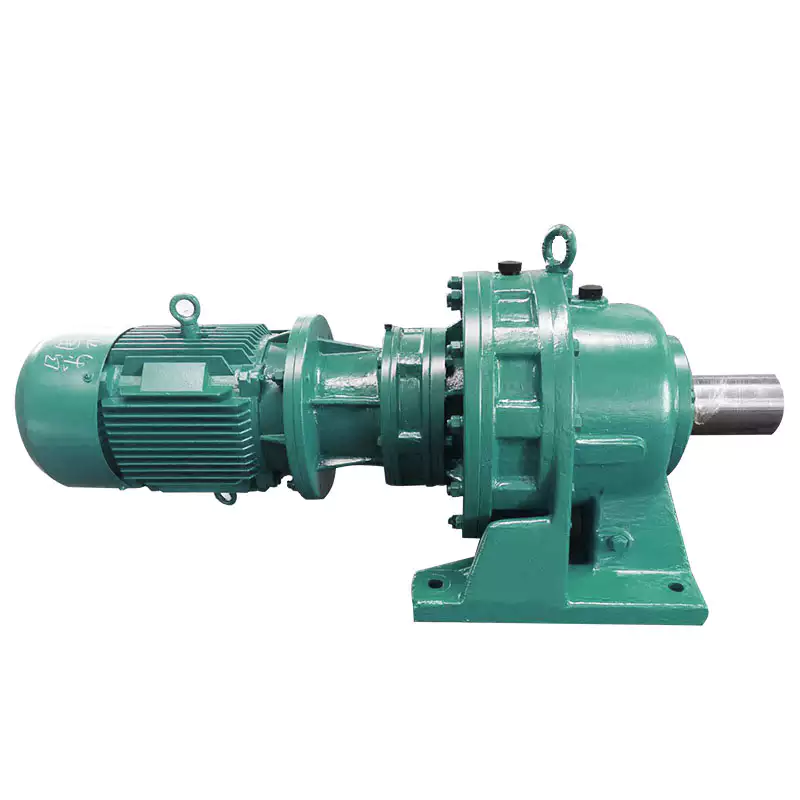
What role do gear ratios play in optimizing the performance of gear reducers?
Gear ratios play a crucial role in optimizing the performance of gear reducers by determining the relationship between input and output speeds and torques. A gear ratio is the ratio of the number of teeth between two meshing gears, and it directly influences the mechanical advantage and efficiency of the gear reducer.
1. Speed and Torque Conversion: Gear ratios allow gear reducers to convert rotational speed and torque according to the needs of a specific application. By selecting appropriate gear ratios, gear reducers can either reduce speed while increasing torque (speed reduction) or increase speed while decreasing torque (speed increase).
2. Mechanical Advantage: Gear reducers leverage gear ratios to provide mechanical advantage. In speed reduction configurations, a higher gear ratio results in a greater mechanical advantage, allowing the output shaft to deliver higher torque at a lower speed. This is beneficial for applications requiring increased force or torque, such as heavy machinery or conveyor systems.
3. Efficiency: Optimal gear ratios contribute to higher efficiency in gear reducers. By distributing the load across multiple gear teeth, gear reducers with suitable gear ratios minimize stress and wear on individual gear teeth, leading to improved overall efficiency and prolonged lifespan.
4. Speed Matching: Gear ratios enable gear reducers to match the rotational speeds of input and output shafts. This is crucial in applications where precise speed synchronization is required, such as in conveyors, robotics, and manufacturing processes.
When selecting gear ratios for a gear reducer, it’s important to consider the specific requirements of the application, including desired speed, torque, efficiency, and mechanical advantage. Properly chosen gear ratios enhance the overall performance and reliability of gear reducers in a wide range of industrial and mechanical systems.
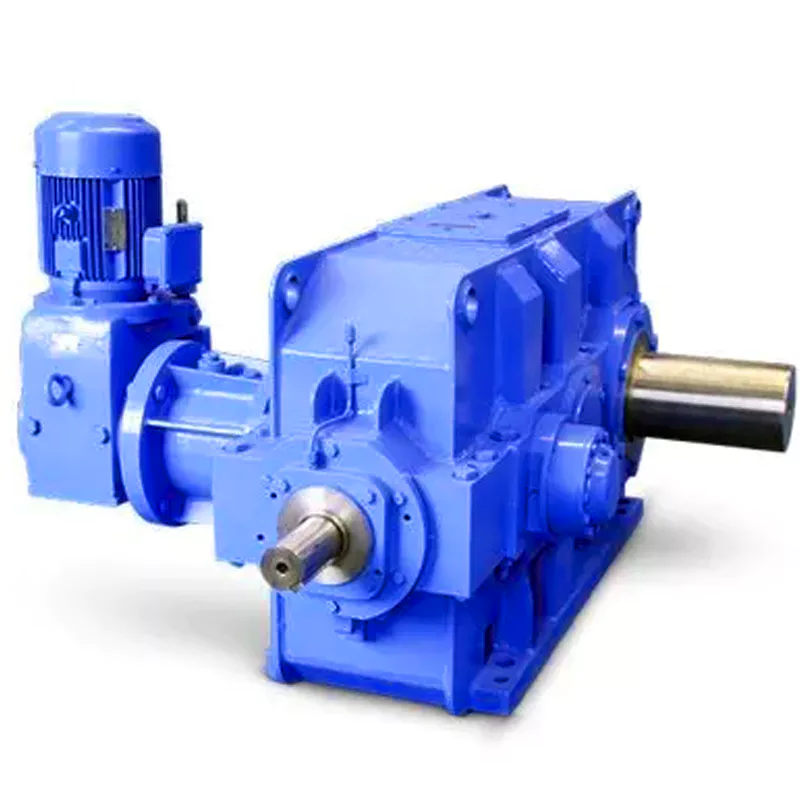
What are the benefits of using a gear reducer in industrial applications?
Gear reducers offer several benefits that make them indispensable in various industrial applications:
1. Speed Reduction: Gear reducers allow the reduction of high-speed input from motors or engines to lower, more usable output speeds for specific applications, ensuring proper equipment operation and safety.
2. Torque Increase: By leveraging the mechanical advantage of gear ratios, gear reducers can significantly increase torque output, enabling the handling of heavy loads and providing the necessary power for tasks such as lifting, conveying, and processing.
3. Precise Control: Gear reducers enable fine-tuning of rotational speed and torque, providing precise control over machinery and processes, which is crucial in industries like manufacturing, material handling, and robotics.
4. Shock Load Absorption: Gear reducers can absorb and dampen sudden shocks or changes in load, protecting both the machinery and connected components from abrupt forces that could otherwise lead to damage.
5. Versatility: With various gear types (e.g., spur, helical, worm) and designs, gear reducers can be tailored to different applications, including those requiring specific speed ratios, torque ranges, and environmental conditions.
6. Efficient Power Transmission: Gear reducers offer high mechanical efficiency, minimizing energy loss during power transmission, which is especially valuable in energy-conscious industries.
7. Compact Design: Gear reducers provide a compact solution for transmitting power and adjusting speeds, making them suitable for installations with space constraints.
8. Reliability and Longevity: Well-designed and properly maintained gear reducers can offer extended service life, contributing to reduced downtime and maintenance costs.
Overall, gear reducers enhance the performance, efficiency, and reliability of industrial equipment, making them essential components in a wide range of applications across various industries.


editor by CX 2024-04-25