Product Description
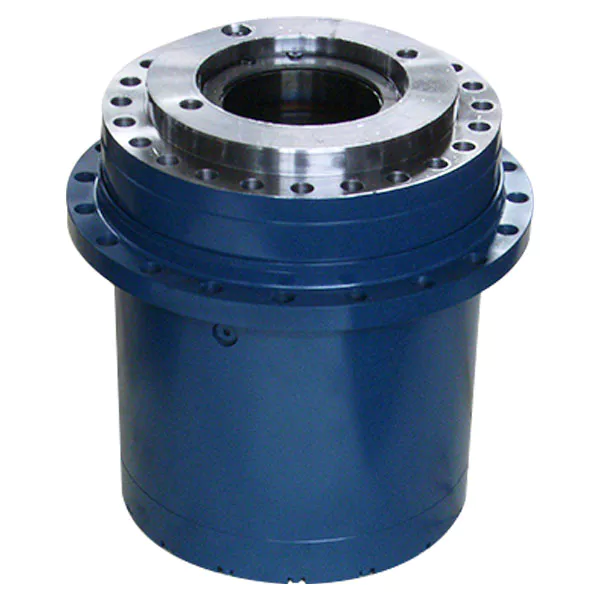
303 Series Inline Planetary Gear Reducer Replacement CHINAMFG 303L1 303L2 303L3 303L4 303R2 303R3 303R4
Product Description
The 300L series and 300R series planetary gearboxes can be interchangeable with the following models of Trasmital Bonfiglioli
| 300L 1 | 300L 2 | 300L 3 | 300L 4 | 300R2 | 300R3 | 300R4 |
| 301L 1 | 301L 2 | 301L 3 | 301L 4 | 301R2 | 301R3 | 301R4 |
| 303L 1 | 303L 2 | 303L 3 | 303L 4 | 303R2 | 303R3 | 303R4 |
| 305L 1 | 305L 2 | 305L 3 | 305L 4 | 305R2 | 305R3 | 305R4 |
| 306L 1 | 306L 2 | 306L 3 | 306L 4 | 306R2 | 306R3 | 306R4 |
| 307L 1 | 307L 2 | 307L 3 | 307L 4 | 307R2 | 307R3 | 307R4 |
| 309L 1 | 309L 2 | 309L 3 | 309L 4 | 309R2 | 309R3 | 309R4 |
| 310L 1 | 310L 2 | 310L 3 | 310L 4 | 310R2 | 310R3 | 310R4 |
| 311L 1 | 311L 2 | 311L 3 | 311L 4 | 311R2 | 311R3 | 311R4 |
| 313L 1 | 313L 2 | 313L 3 | 313L 4 | 313R2 | 313R3 | 313R4 |
| 315L 1 | 315L 2 | 315L 3 | 315L 4 | 315R3 | 315R4 | |
| 316L 1 | 316L 2 | 316L 3 | 316L 4 | 316R3 | 316R4 | |
| 317L 1 | 317L 2 | 317L 3 | 317L 4 | 317R3 | 317R4 | |
| 318L 1 | 318L 2 | 318L 3 | 318L 4 | 318R4 | ||
| 319L 1 | 319L 2 | 319L 3 | 319L 4 | 319R4 | ||
| 321L 1 | 321L 2 | 321L 3 | 321L 4 | 321R4 |
-
Torque range
1,000 … 1,100,000 Nm (8,850 … 9,735,820 in-lb) -
Gear ratios
3.4 … 5,000 -
Transmissible Mechanical Power
up to 1,050 kW -
Brake options
Hydraulic brake
Hydraulically released parking brake on request
Electric brake
DC and AC type -
Output
Foot and flange mounted
Output shaft: CHINAMFG with key, splined, splined hollow, hollow with shrink disc -
Input
Flanged axial piston hydraulic motors
Hydraulic orbit motors
IEC and Nema motor adapters
Solid input shaft -
Applicable motors
Piston hydraulic motors
Hydraulic orbit motors
Electric motors IEC
Key Features
1. Torque range: 1000-450.000 Nm
2. Transmissible mechanical power: up to 540 kW
3. Gear ratios: 3.4-9.000
4. Gear unit versions: in line
5. Output configurations:
1) Foot and flange mounted
2) Output shaft: CHINAMFG with key, splined, splined hollow
3) Hollow with shrink disc
6. Input configurations:
1) Flanged axial piston hydraulic motors
2) Hydraulic orbit motors
3) IEC and Nema motor adaptors
4) CHINAMFG input shaft
7. Hydraulic brake: hydraulically released parking brake
8. Electric brake: DC and AC type
Application
Our factory
Related Products
For more reducers and mechanical accessories, please click here to view
| Application: | Motor, Electric Cars, Motorcycle, Machinery, Marine, Toy, Agricultural Machinery, Car |
|---|---|
| Function: | Distribution Power, Speed Changing, Speed Reduction |
| Layout: | Wrom |
| Hardness: | Hardened Tooth Surface |
| Installation: | Planetary |
| Step: | Planetary |
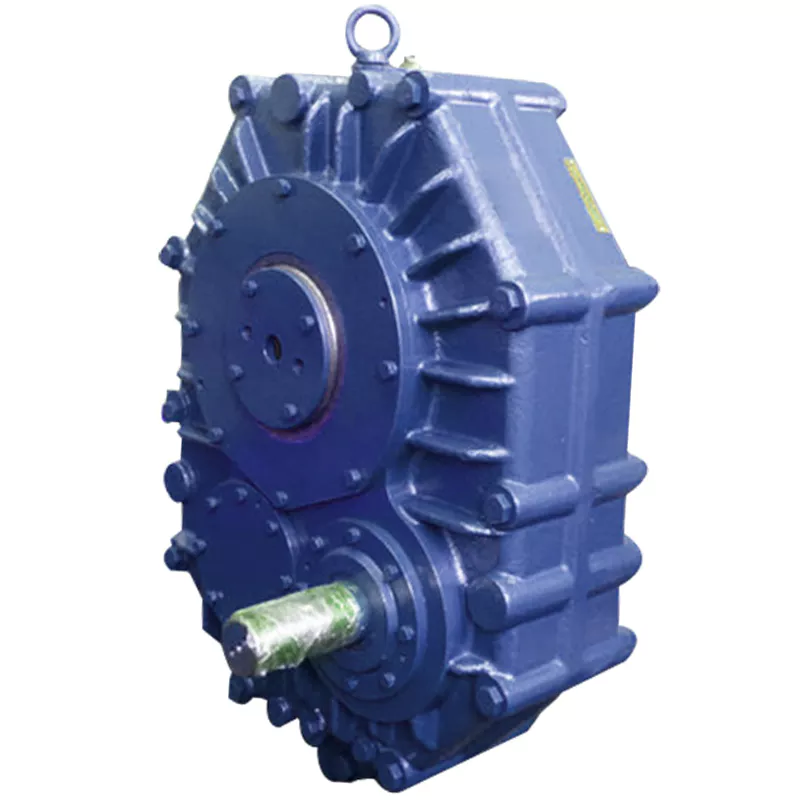
Are there any disadvantages or limitations to using gear reducer systems?
While gear reducer systems offer numerous advantages, they also come with certain disadvantages and limitations that should be considered during the selection and implementation process:
1. Size and Weight: Gear reducers can be bulky and heavy, especially for applications requiring high gear ratios. This can impact the overall size and weight of the machinery or equipment, which may be a concern in space-constrained environments.
2. Efficiency Loss: Despite their high efficiency, gear reducers can experience energy losses due to friction between gear teeth and other components. This can lead to a reduction in overall system efficiency, particularly in cases where multiple gear stages are used.
3. Cost: The design, manufacturing, and assembly of gear reducers can involve complex processes and precision machining, which can contribute to higher initial costs compared to other power transmission solutions.
4. Maintenance: Gear reducer systems require regular maintenance, including lubrication, inspection, and potential gear replacement over time. Maintenance activities can lead to downtime and associated costs in industrial settings.
5. Noise and Vibration: Gear reducers can generate noise and vibrations, especially at high speeds or when operating under heavy loads. Additional measures may be needed to mitigate noise and vibration issues.
6. Limited Gear Ratios: While gear reducers offer a wide range of gear ratios, there may be limitations in achieving extremely high or low ratios in certain designs.
7. Temperature Sensitivity: Extreme temperatures can affect the performance of gear reducer systems, particularly if inadequate lubrication or cooling is provided.
8. Shock Loads: While gear reducers are designed to handle shock loads to some extent, severe shock loads or abrupt changes in torque can still lead to potential damage or premature wear.
Despite these limitations, gear reducer systems remain widely used and versatile components in various industries, and their disadvantages can often be mitigated through proper design, selection, and maintenance practices.
How do gear reducers ensure efficient power transmission and motion control?
Gear reducers play a vital role in ensuring efficient power transmission and precise motion control in various industrial applications. They achieve this through the following mechanisms:
- 1. Speed Reduction/Increase: Gear reducers allow you to adjust the speed between the input and output shafts. Speed reduction is essential when the output speed needs to be lower than the input speed, while speed increase is used when the opposite is required.
- 2. Torque Amplification: By altering the gear ratio, gear reducers can amplify torque from the input to the output shaft. This enables machinery to handle higher loads and provide the necessary force for various tasks.
- 3. Gear Train Efficiency: Well-designed gear trains within reducers minimize power losses during transmission. Helical and spur gears, for example, offer high efficiency by distributing load and reducing friction.
- 4. Precision Motion Control: Gear reducers provide precise control over rotational motion. This is crucial in applications where accurate positioning, synchronization, or timing is required, such as in robotics, CNC machines, and conveyor systems.
- 5. Backlash Reduction: Some gear reducers are designed to minimize backlash, which is the play between gear teeth. This reduction in play ensures smoother operation, improved accuracy, and better control.
- 6. Load Distribution: Gear reducers distribute the load evenly among multiple gear teeth, reducing wear and extending the lifespan of the components.
- 7. Shock Absorption: In applications where sudden starts, stops, or changes in direction occur, gear reducers help absorb and dampen shocks, protecting the machinery and ensuring reliable operation.
- 8. Compact Design: Gear reducers provide a compact solution for achieving specific speed and torque requirements, allowing for space-saving integration into machinery.
By combining these principles, gear reducers facilitate the efficient and controlled transfer of power, enabling machinery to perform tasks accurately, reliably, and with the required force, making them essential components in a wide range of industries.
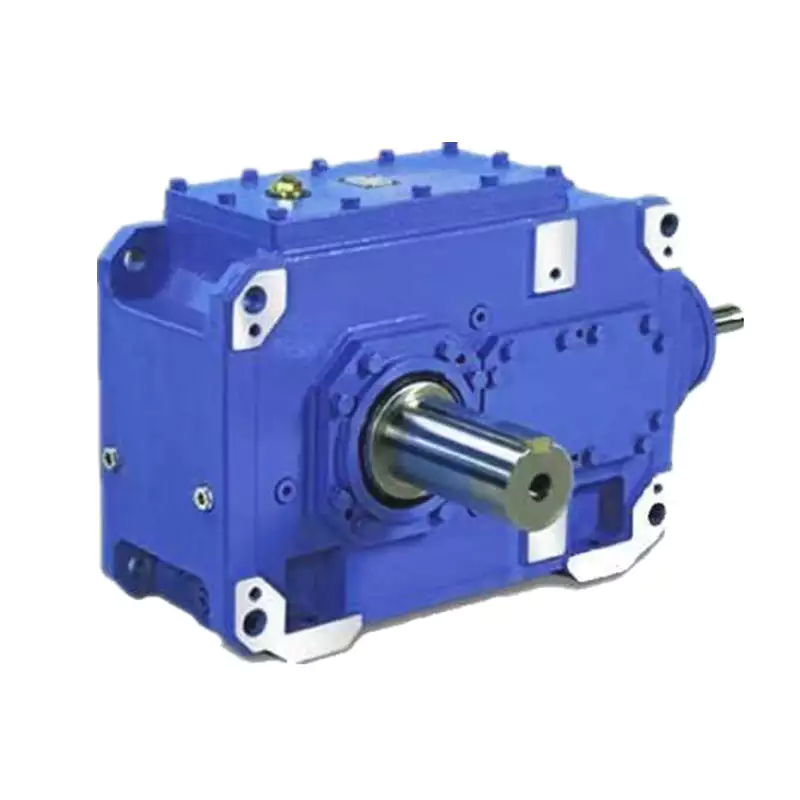
Are there variations in gear reducer designs for specific tasks and applications?
Yes, gear reducer designs vary widely to suit specific tasks and applications across various industries. Manufacturers offer a range of gear reducer types and configurations to accommodate different requirements, including:
- Helical Gear Reducers: These are versatile and provide smooth and efficient torque transmission. They are commonly used in applications requiring high precision and moderate speed reduction, such as conveyors, mixers, and agitators.
- Bevel Gear Reducers: These are ideal for transmitting power between intersecting shafts. They are often used in heavy machinery, printing presses, and automotive applications.
- Worm Gear Reducers: These provide compact solutions and are suitable for applications with higher speed reduction requirements, such as conveyor systems, winches, and elevators.
- Planetary Gear Reducers: These offer high torque density and are used in applications demanding precise control, such as robotics, aerospace, and heavy-duty machinery.
- Parallel Shaft Gear Reducers: Commonly used in industrial machinery, these reducers are designed for high torque and reliability.
- Right-Angle Gear Reducers: These are used when space limitations require a change in shaft direction, commonly found in packaging equipment and conveyors.
Each type of gear reducer has unique features and benefits that make it suitable for specific tasks. Manufacturers often provide customization options to tailor gear reducers to the precise requirements of an application, including gear ratios, mounting options, and input/output configurations.
Therefore, the variation in gear reducer designs allows industries to select the most appropriate type based on factors such as torque, speed, space constraints, precision, and environmental conditions.


editor by CX 2023-09-22