Product Description
| AC Gear Motor | ||||||||
| CH | 32 | 400 | 50 | SZ | B | G1 | LB | T1 |
| Motor Type | Output Shaft Dia | Power Capacity | Gear Ratio | Phase & Voltage | Brake Type | Terminal Box Direction | Wire Inlef Direction | Air Hold Direction |
| CH – Horizontal CV – Vetical |
18 22 28 32 40 50 |
100W 200W 400W 750W 1500W 2200W 3700W |
30 – 1:30 | A – 1 Phase 220V AV – 1 Phase Centrifugal Motor S – 3 Phase 220V/380V L – DC Motor C – Special Z – Shrink Frame F – Flange Repair Q1 – 110V Forced Fan Q2 – 220V Forced Fan |
B – DC 90V Brake Unit YB – Hand Release Brake DB – DCV24 Energized Brake |
G1 – Left G2 – Right G3 – Upper G4 – Lower |
T – Top D – Down F – Forward B – Back L – Left R – Right |
T1 T2 T3 T4 T5 T6 |
| 3-Phase/4-Poles Full Load Ampere | ||||||
| Capacity | 50Hz-4P | 60Hz-4P | ||||
| 220V | 380V | RPM | 220V | 380V | RPM | |
| 100W | 0.60 | 0.4 | 1400 | 0.60 | 0.40 | 1700 |
| 200W | 1.15 | 0.67 | 1400 | 1.10 | 0.63 | 1700 |
| 400W | 2.13 | 1.24 | 1400 | 1.90 | 1.10 | 1700 |
| 750W | 3.66 | 2.13 | 1410 | 3.40 | 1.96 | 1710 |
| 1500W | 6.58 | 3.82 | 1410 | 6.10 | 3.53 | 1710 |
| 2200W | 8.94 | 5.18 | 1430 | 8.70 | 5.03 | 1725 |
| 3700W | 13.85 | 8.03 | 1440 | 13.50 | 7.81 | 1725 |
| 1-Phase/4-Poles Full Load Ampere | ||||||
| Capacity | 50Hz-4P | 60Hz-4P | ||||
| 110V | 220V | RPM | 110V | 220V | RPM | |
| 100W | 2.20 | 1.10 | 1400 | 2.00 | 1.00 | 1700 |
| 200W | 4.00 | 2.00 | 1400 | 3.60 | 1.80 | 1700 |
| 400W | 7.60 | 3.80 | 1420 | 6.60 | 3.30 | 1730 |
| 750W | 14.20 | 7.10 | 1420 | 12.90 | 6.40 | 1730 |
| 1500W | 20.00 | 10.00 | 1420 | 18.00 | 9.00 | 1730 |
| 1-Phase Motor Capacitor | ||||||
| Capacity | Running Capacitor | Starting Capacitor | Running + Starting Capacitor | |||
| 100W | 10μf-350V | |||||
| 200W | 16μf-350V | 125μf-160V | ||||
| 400W | 301f-350V | 200pf-160V | 30uμf-350V+200μf-160V | |||
| 750W | 35μf 350V | 300uf-160V | 35μf-350V+300μf-160V | |||
| 1500W | 50μf-350V | 400uf-160V | 50μf-350V+400uf-160V | |||
FAQ
Q: How about your company?
A: We are a gear motor factory established in 1995 and located in HangZhou city of china.
We have more than 1200 workers. Our main product is AC micro gear motor 6W to 250W,
AC small gear motor 100W to 3700W, brush DC motor 10W to 400W, brushless motor10W to 750W,
drum motor 60W to 3700W, planetary gearbox,and worm gearbox,etc.
Q: How about your quality control?
A: From raw material to finished products, we have strict and complete IPQC.
And the advanced test-ing machine can assure of qualified products delivered.
Q: How to choose a suitable motor?
A: If you have gear motor pictures or drawings to show us,
or you tell us detailed specs like volt-age, speed, torque, motor size, the working model of the motor, needed lifetime and noise level, etc.
please do not hesitate to let us know, then we can suggest a suitable motor per your request.
Q: Can you make the gear motor with customizing specifications?
A: Yes, we can customize per your request for the voltage, speed, torque, and shaft size and shape.
if you need additional wires or cables soldered on the terminal or need to add connectors, or capacitors, or EMC we can make it too.
Q: What’s your lead time?
A: Usually our regular standard product will need 10-15days, a bit longer for customized products.
But we are very flexible on the lead time, it will depend on the specific orders.
Q: What is your MOQ?
A: If delivered by sea, the minimum order is 100 pieces, if deliver by express, there is no limit.
Q: Do you have the item in stock?
A: l am sorry we do not have the item in stock, All products are made with orders.
Q: How to contact us?
A: You can send us an inquiry.
| Application: | Industrial |
|---|---|
| Speed: | Constant Speed |
| Number of Stator: | Three-Phase |
| Function: | Driving, Control |
| Casing Protection: | Protection Type |
| Number of Poles: | 4 |
| Customization: |
Available
| Customized Request |
|---|
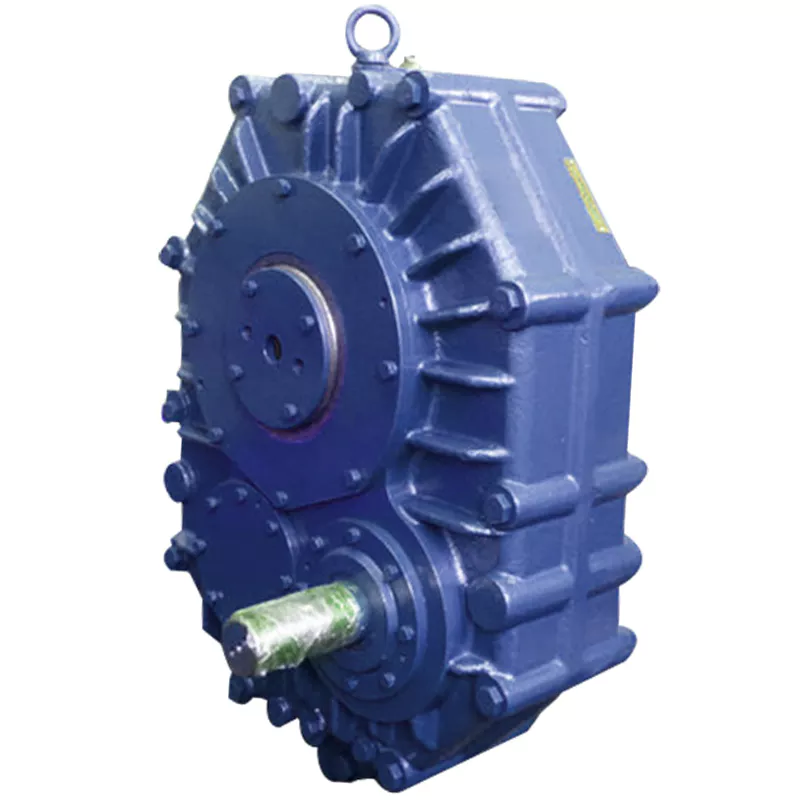
Are there any disadvantages or limitations to using gear reducer systems?
While gear reducer systems offer numerous advantages, they also come with certain disadvantages and limitations that should be considered during the selection and implementation process:
1. Size and Weight: Gear reducers can be bulky and heavy, especially for applications requiring high gear ratios. This can impact the overall size and weight of the machinery or equipment, which may be a concern in space-constrained environments.
2. Efficiency Loss: Despite their high efficiency, gear reducers can experience energy losses due to friction between gear teeth and other components. This can lead to a reduction in overall system efficiency, particularly in cases where multiple gear stages are used.
3. Cost: The design, manufacturing, and assembly of gear reducers can involve complex processes and precision machining, which can contribute to higher initial costs compared to other power transmission solutions.
4. Maintenance: Gear reducer systems require regular maintenance, including lubrication, inspection, and potential gear replacement over time. Maintenance activities can lead to downtime and associated costs in industrial settings.
5. Noise and Vibration: Gear reducers can generate noise and vibrations, especially at high speeds or when operating under heavy loads. Additional measures may be needed to mitigate noise and vibration issues.
6. Limited Gear Ratios: While gear reducers offer a wide range of gear ratios, there may be limitations in achieving extremely high or low ratios in certain designs.
7. Temperature Sensitivity: Extreme temperatures can affect the performance of gear reducer systems, particularly if inadequate lubrication or cooling is provided.
8. Shock Loads: While gear reducers are designed to handle shock loads to some extent, severe shock loads or abrupt changes in torque can still lead to potential damage or premature wear.
Despite these limitations, gear reducer systems remain widely used and versatile components in various industries, and their disadvantages can often be mitigated through proper design, selection, and maintenance practices.
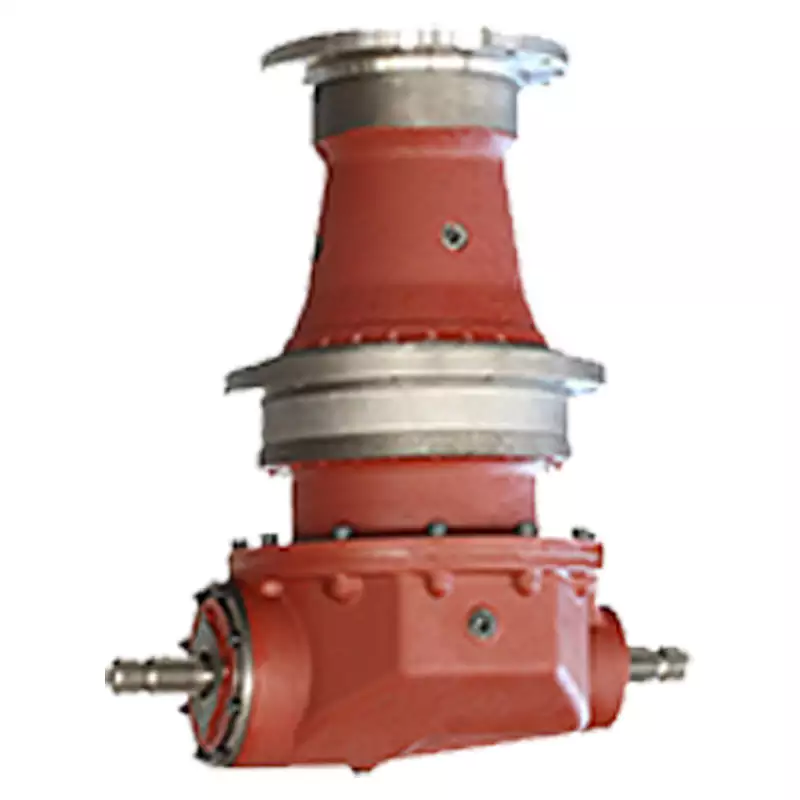
What maintenance practices are essential for prolonging the lifespan of gear reducers?
Proper maintenance is crucial for extending the lifespan and ensuring optimal performance of gear reducers. Here are essential maintenance practices:
- 1. Lubrication: Regular lubrication of gear reducers is vital to reduce friction, wear, and heat generation. Use the recommended lubricant and follow the manufacturer’s guidelines for lubrication intervals.
- 2. Inspection: Routinely inspect gear reducers for signs of wear, damage, or leaks. Check for unusual noises, vibrations, or temperature increases during operation.
- 3. Alignment: Ensure proper alignment of the input and output shafts. Misalignment can lead to increased wear, noise, and reduced efficiency. Align the components according to the manufacturer’s specifications.
- 4. Cooling and Ventilation: Maintain proper cooling and ventilation to prevent overheating. Ensure that cooling fans and vents are clean and unobstructed.
- 5. Seal Maintenance: Inspect and replace seals as needed to prevent contaminants from entering the gear reducer. Contaminants can lead to accelerated wear and reduced performance.
- 6. Bolts and Fasteners: Regularly check and tighten bolts and fasteners to prevent loosening during operation, which can cause misalignment or component damage.
- 7. Replacing Worn Components: Replace worn or damaged components, such as gears, bearings, and seals, with genuine parts from the manufacturer.
- 8. Vibration Analysis: Conduct periodic vibration analysis to identify potential issues early. Excessive vibration can indicate misalignment or component wear.
- 9. Maintenance Records: Keep detailed maintenance records, including lubrication schedules, inspection dates, and component replacements. This helps track the history of the gear reducer and aids in future maintenance planning.
- 10. Training: Provide proper training to maintenance personnel on gear reducer maintenance and troubleshooting techniques.
By adhering to these maintenance practices, you can maximize the lifespan of your gear reducers, minimize downtime, and ensure reliable operation in your industrial processes.
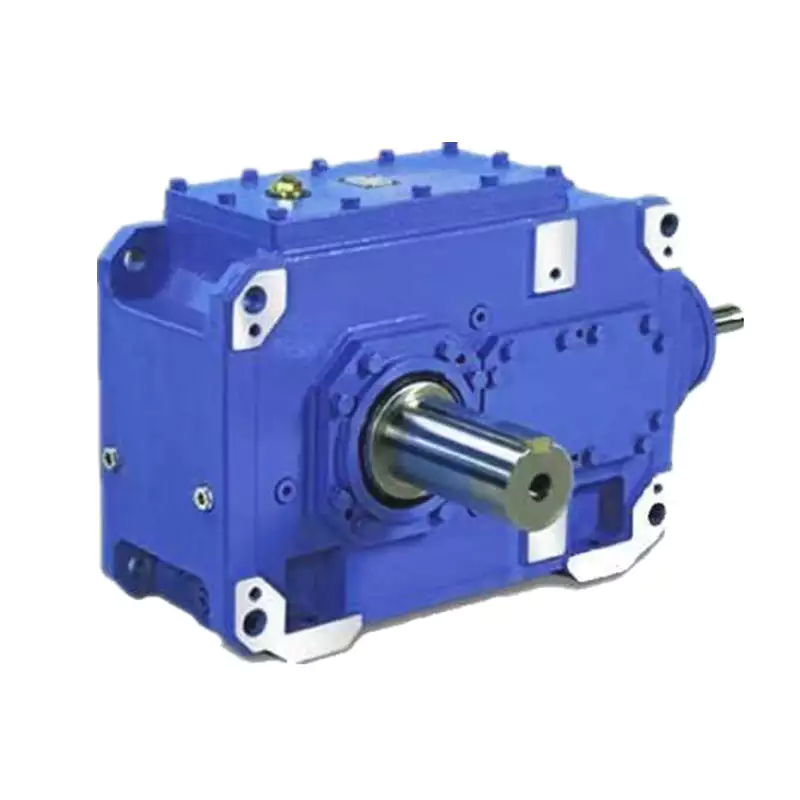
Are there variations in gear reducer designs for specific tasks and applications?
Yes, gear reducer designs vary widely to suit specific tasks and applications across various industries. Manufacturers offer a range of gear reducer types and configurations to accommodate different requirements, including:
- Helical Gear Reducers: These are versatile and provide smooth and efficient torque transmission. They are commonly used in applications requiring high precision and moderate speed reduction, such as conveyors, mixers, and agitators.
- Bevel Gear Reducers: These are ideal for transmitting power between intersecting shafts. They are often used in heavy machinery, printing presses, and automotive applications.
- Worm Gear Reducers: These provide compact solutions and are suitable for applications with higher speed reduction requirements, such as conveyor systems, winches, and elevators.
- Planetary Gear Reducers: These offer high torque density and are used in applications demanding precise control, such as robotics, aerospace, and heavy-duty machinery.
- Parallel Shaft Gear Reducers: Commonly used in industrial machinery, these reducers are designed for high torque and reliability.
- Right-Angle Gear Reducers: These are used when space limitations require a change in shaft direction, commonly found in packaging equipment and conveyors.
Each type of gear reducer has unique features and benefits that make it suitable for specific tasks. Manufacturers often provide customization options to tailor gear reducers to the precise requirements of an application, including gear ratios, mounting options, and input/output configurations.
Therefore, the variation in gear reducer designs allows industries to select the most appropriate type based on factors such as torque, speed, space constraints, precision, and environmental conditions.


editor by CX 2023-10-27