Product Description
GAH50B Hypoid Gear Reducer
1. Wide-ratio from 7.5-300;
2. High efficiency from 90%-94%;
3. Light in weight and non-rusting;
4. Smooth in running and low in noise;
5. Double lifetime than worm gearbox;
6. Mounting Dimensions are compatible with NMRV worm gearbox;
General Parameters
| TYPE | GSH50,GSH63,GSH75,GSH90 |
| Transmission Stage | B: 2 stages |
| C: 3 stages | |
| Ratio | B: 7.5,10,12.5,15,20,25,30,40,50,60 |
| C: 50,60,75,100,125,150,200,250,300 | |
| Output torque | Up to 500N.m. |
| Motor power | 0.12kw~4kw, with flange type B5 or B14 |
| Housing material | Aluminum alloy |
| Output shaft | material: 40Cr |
| Hardness level: 242-286HB | |
| Helical gear | Material: 20CrMnTi |
| Hardness level: 58-62HRC | |
| Precision level: 6 grade | |
| Transmission efficiency | B: 92%-94% |
| C: 90%-92% | |
| Bearing | C&U |
| Lubricant | Mineral oil or sythetic oil |
| GSH 50 n=1400r/min 130N.m | |||||||||
| Gear units | i Nominal |
i Actual |
n r/min |
Mmax N.m |
Fr N |
63B5 | 71B5 71B14 |
80B5 80B14 |
90B5 90B14 |
| 3 Stage | |||||||||
| GSH50C | 300 | 291.79 | 4.8 | 130 | 4100 | ||||
| GSH50C | 250 | 244.29 | 5.7 | 130 | 4100 | ||||
| GSH50C | 200 | 200.44 | 7.0 | 130 | 4100 | ||||
| GSH50C | 150 | 146.67 | 9.5 | 130 | 4000 | ||||
| GSH50C | 125 | 120.34 | 11.6 | 100 | 3770 | ||||
| GSH50C | 100 | 101.04 | 13.9 | 80 | 3560 | ||||
| GSH50C | 75 | 74.62 | 18.8 | 130 | 3220 | ||||
| GSH50C | 60 | 62.36 | 22.0 | 100 | 3030 | ||||
| GSH50C | 50 | 52.36 | 27.0 | 110 | 2860 | ||||
| 2 Stage | |||||||||
| GSH50B | 60 | 58.36 | 24 | 130 | 2960 | ||||
| GSH50B | 50 | 48.86 | 29 | 130 | 2790 | ||||
| GSH50B | 40 | 40.09 | 35 | 130 | 2610 | ||||
| GSH50B | 30 | 29.33 | 48 | 130 | 2350 | ||||
| GSH50B | 25 | 24.07 | 59 | 130 | 2200 | ||||
| GSH50B | 20 | 20.21 | 70 | 100 | 2080 | ||||
| GSH50B | 15 | 14.92 | 94 | 80 | 1880 | ||||
| GSH50B | 12.5 | 12.47 | 113 | 130 | 1770 | ||||
| GSH50B | 10 | 10.47 | 134 | 100 | 1670 | ||||
| GSH50B | 7.5 | 7.73 | 182 | 80 | 1510 | ||||
| GSH 63 n1=1400r/min 200N.m | |||||||||
| Gear units | i Nominal |
i Actual |
n r/min |
Mmax N.m |
Fr N |
63B5 | 71B5 71B14 |
80B5 80B14 |
90B5 90B14 |
| 3 Stage | |||||||||
| GSH63C | 300 | 302.50 | 4.7 | 200 | 4800 | ||||
| GSH63C | 250 | 243.57 | 5.8 | 200 | 4800 | ||||
| GSH63C | 200 | 196.43 | 7.2 | 180 | 4800 | ||||
| GSH63C | 150 | 151.56 | 9.3 | 200 | 4650 | ||||
| GSH63C | 125 | 122.22 | 12 | 180 | 4330 | ||||
| GSH63C | 100 | 101.27 | 14 | 150 | 4070 | ||||
| GSH63C | 75 | 73.33 | 20 | 110 | 3650 | ||||
| GSH63C | 60 | 63.33 | 23 | 180 | 3480 | ||||
| GSH63C | 50 | 52.48 | 27 | 150 | 3270 | ||||
| 2 Stage | |||||||||
| GSH63B | 60 | 60.50 | 24 | 200 | 3430 | ||||
| GSH63B | 50 | 48.71 | 29 | 200 | 3190 | ||||
| GSH63B | 40 | 39.29 | 36 | 180 | 2970 | ||||
| GSH63B | 30 | 30.31 | 47 | 200 | 2720 | ||||
| GSH63B | 25 | 24.44 | 58 | 180 | 2530 | ||||
| GSH63B | 20 | 20.25 | 70 | 150 | 2380 | ||||
| GSH63B | 15 | 14.67 | 96 | 110 | 2130 | ||||
| GSH63B | 12.5 | 12.67 | 111 | 180 | 2030 | ||||
| GSH63B | 10 | 10.50 | 134 | 150 | 1910 | ||||
| GSH63B | 7.5 | 7.60 | 185 | 110 | 1710 | ||||
| GSH 75 n1=1400r/min 350N.m | |||||||||
| Gear units | i Nominal |
i Actual |
n r/min |
Mmax N.m |
Fr N |
63B5 | 71B5 71B14 |
80B5 80B14 |
90B5 90B14 |
| 3 Stage | |||||||||
| GSH75C | 300 | 297.21 | 4.8 | 350 | 6500 | ||||
| GSH75C | 250 | 240.89 | 5.9 | 350 | 6500 | ||||
| GSH75C | 200 | 200.66 | 7.0 | 300 | 6500 | ||||
| GSH75C | 150 | 151.20 | 9.3 | 350 | 6500 | ||||
| GSH75C | 125 | 125.95 | 12 | 300 | 5980 | ||||
| GSH75C | 100 | 99.22 | 15 | 240 | 5520 | ||||
| GSH75C | 75 | 75.45 | 19 | 200 | 5040 | ||||
| GSH75C | 60 | 62.43 | 23 | 300 | 4730 | ||||
| GSH75C | 50 | 49.18 | 29 | 240 | 4370 | ||||
| 2 Stage | |||||||||
| GSH75B | 60 | 59.44 | 24 | 350 | 4660 | ||||
| GSH75B | 50 | 48.18 | 30 | 350 | 4340 | ||||
| GSH75B | 40 | 40.13 | 35 | 300 | 4080 | ||||
| GSH75B | 30 | 30.24 | 47 | 350 | 3720 | ||||
| GSH75B | 25 | 25.19 | 56 | 300 | 3500 | ||||
| GSH75B | 20 | 19.84 | 71 | 240 | 3230 | ||||
| GSH75B | 15 | 15.09 | 93 | 200 | 2950 | ||||
| GSH75B | 12.5 | 12.49 | 113 | 300 | 2770 | ||||
| GSH75B | 10 | 9.84 | 143 | 240 | 2550 | ||||
| GSH75B | 7.5 | 7.48 | 188 | 200 | 2330 | ||||
| GSH 90 n1=1400r/min 500N.m | |||||||||
| Gear units | i Nominal |
i Actual |
n r/min |
Mmax N.m |
Fr N |
63B5 | 71B5 71B14 |
80B5 80B14 |
90B5 90B14 |
| 3 Stage | |||||||||
| GSH90C | 300 | 295.18 | 4.8 | 500 | 8300 | ||||
| GSH90C | 250 | 240.89 | 5.9 | 500 | 8300 | ||||
| GSH90C | 200 | 200.66 | 7.0 | 480 | 8300 | ||||
| GSH90C | 150 | 151.20 | 9.3 | 500 | 8050 | ||||
| GSH90C | 125 | 125.95 | 12 | 480 | 7580 | ||||
| GSH90C | 100 | 99.22 | 15 | 380 | 7000 | ||||
| GSH90C | 75 | 75.45 | 19 | 300 | 6390 | ||||
| GSH90C | 60 | 62.43 | 23 | 480 | 6000 | ||||
| GSH90C | 50 | 49.18 | 29 | 380 | 5540 | ||||
| 2 Stage | |||||||||
| GSH90B | 60 | 59.44 | 24 | 500 | 5890 | ||||
| GSH90B | 50 | 48.18 | 30 | 500 | 5500 | ||||
| GSH90B | 40 | 40.13 | 35 | 480 | 5170 | ||||
| GSH90B | 30 | 30.24 | 47 | 500 | 4710 | ||||
| GSH90B | 25 | 25.19 | 56 | 480 | 4430 | ||||
| GSH90B | 20 | 19.84 | 71 | 380 | 4090 | ||||
| GSH90B | 15 | 15.09 | 93 | 300 | 3730 | ||||
| GSH90B | 12.5 | 12.49 | 113 | 480 | 3510 | ||||
| GSH90B | 10 | 9.84 | 143 | 380 | 3240 | ||||
| GSH90B | 7.5 | 7.48 | 188 | 30 | 2950 | ||||
Note:
If these models are not what you want, please freely tell us about your requirement. We will provide you with a suitable motor solution and price soon.
FAQ
1 Q: What’s your MOQ for gear motor and gearbox?
A: 1 unit is OK for sample testing.
2 Q: What about your warranty for your gear motor and gearbox?
A: One year.
3 Q: Do you provide OEM service with customer-logo?
A: Yes, we could do OEM orders.
4 Q: How about your payment terms ?
A: TT, western union and paypal. 100% payment in advanced for orders less $10,000. 50% deposit and balance before delivery for orders over $10,000.
5 Q: How about your packing ?
A: Carton, plywood case and pallet.
6 Q: What information should be given, if I buy gear motor and gearbox from you ?
A: Rated power, gearbox ratio, input speed, mounting position. More details, better!
7 Q: How do you deliver the gear motor and gearbox?
A: We will compare and choose the most suitable ways of delivery by sea, air or express courier after customer’s confirmation.
Warmly welcome your inquiry!
/* January 22, 2571 19:08:37 */!function(){function s(e,r){var a,o={};try{e&&e.split(“,”).forEach(function(e,t){e&&(a=e.match(/(.*?):(.*)$/))&&1
| Application: | Motor, Machinery |
|---|---|
| Hardness: | Hardened Tooth Surface |
| Installation: | Horizontal Type |
| Layout: | Coaxial |
| Gear Shape: | Cylindrical Gear |
| Step: | 2 or 3 Stage |
| Samples: |
US$ 70/Piece
1 Piece(Min.Order) | |
|---|
| Customization: |
Available
| Customized Request |
|---|
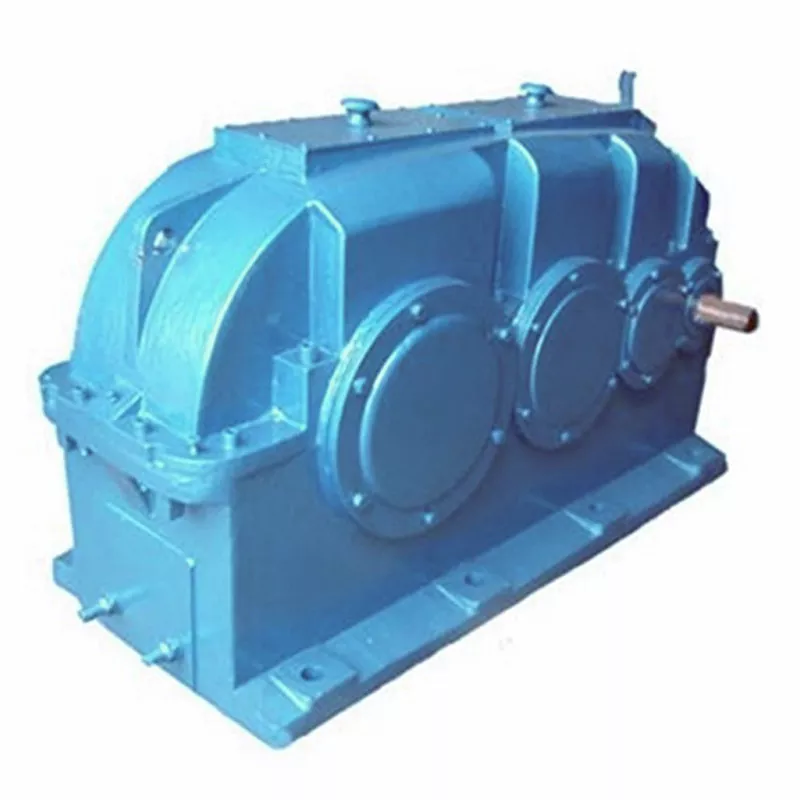
Can gear reducers be customized for specific industrial needs and requirements?
Yes, gear reducers can be customized to meet specific industrial needs and requirements. Manufacturers offer customization options to ensure that gear reducers are tailored to the unique demands of various applications:
1. Gear Ratio Selection: Gear reducers can be designed with specific gear ratios to achieve the desired speed reduction or increase, catering to the specific requirements of the machinery or equipment.
2. Shaft Configurations: Gear reducers can be configured with different shaft sizes, lengths, and orientations to fit seamlessly into existing systems or accommodate specific mounting arrangements.
3. Torque Capacity: Customized gear reducers can be designed to handle higher or lower torque loads based on the application’s operational requirements.
4. Environmental Considerations: Gear reducers can be customized with special coatings, materials, or seals to withstand harsh environments, extreme temperatures, or corrosive conditions.
5. Noise and Vibration Reduction: Custom designs can incorporate features to reduce noise and dampen vibrations, enhancing the overall operation and user experience.
6. Mounting and Connection Options: Manufacturers can adapt gear reducer designs to include specific mounting interfaces or connection methods that align with the equipment’s design.
7. Lubrication and Maintenance: Customized gear reducers can include features for easy maintenance, such as accessible lubrication points or monitoring systems.
8. Integration with Controls: Gear reducers can be customized to integrate seamlessly with control systems, sensors, or automation processes, enhancing system efficiency and performance.
By collaborating with manufacturers and providing detailed specifications, industries can obtain tailor-made gear reducers that address their specific operational needs and contribute to the success of their applications.
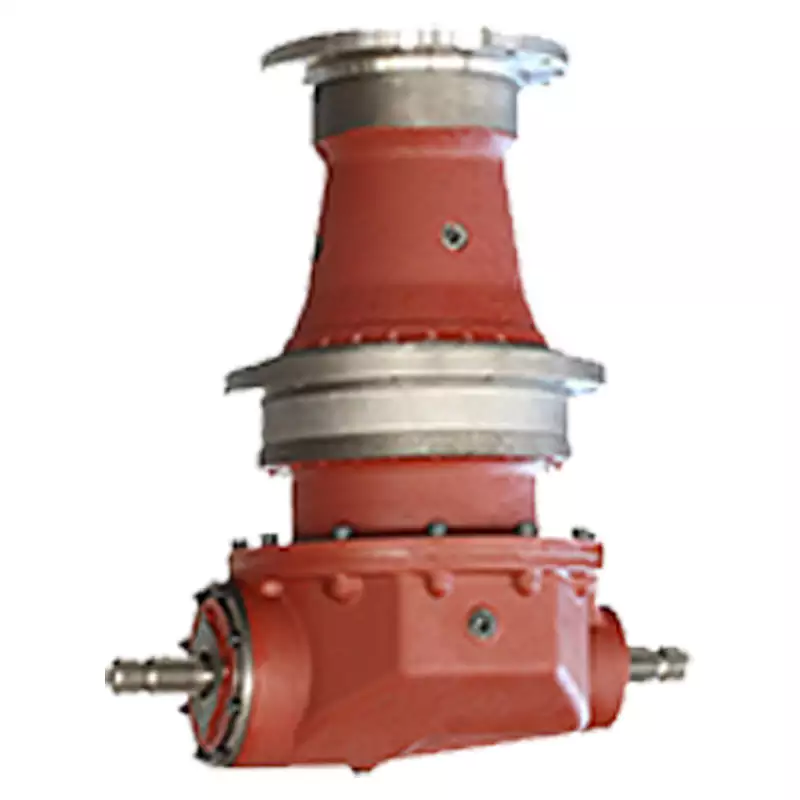
What maintenance practices are essential for prolonging the lifespan of gear reducers?
Proper maintenance is crucial for extending the lifespan and ensuring optimal performance of gear reducers. Here are essential maintenance practices:
- 1. Lubrication: Regular lubrication of gear reducers is vital to reduce friction, wear, and heat generation. Use the recommended lubricant and follow the manufacturer’s guidelines for lubrication intervals.
- 2. Inspection: Routinely inspect gear reducers for signs of wear, damage, or leaks. Check for unusual noises, vibrations, or temperature increases during operation.
- 3. Alignment: Ensure proper alignment of the input and output shafts. Misalignment can lead to increased wear, noise, and reduced efficiency. Align the components according to the manufacturer’s specifications.
- 4. Cooling and Ventilation: Maintain proper cooling and ventilation to prevent overheating. Ensure that cooling fans and vents are clean and unobstructed.
- 5. Seal Maintenance: Inspect and replace seals as needed to prevent contaminants from entering the gear reducer. Contaminants can lead to accelerated wear and reduced performance.
- 6. Bolts and Fasteners: Regularly check and tighten bolts and fasteners to prevent loosening during operation, which can cause misalignment or component damage.
- 7. Replacing Worn Components: Replace worn or damaged components, such as gears, bearings, and seals, with genuine parts from the manufacturer.
- 8. Vibration Analysis: Conduct periodic vibration analysis to identify potential issues early. Excessive vibration can indicate misalignment or component wear.
- 9. Maintenance Records: Keep detailed maintenance records, including lubrication schedules, inspection dates, and component replacements. This helps track the history of the gear reducer and aids in future maintenance planning.
- 10. Training: Provide proper training to maintenance personnel on gear reducer maintenance and troubleshooting techniques.
By adhering to these maintenance practices, you can maximize the lifespan of your gear reducers, minimize downtime, and ensure reliable operation in your industrial processes.
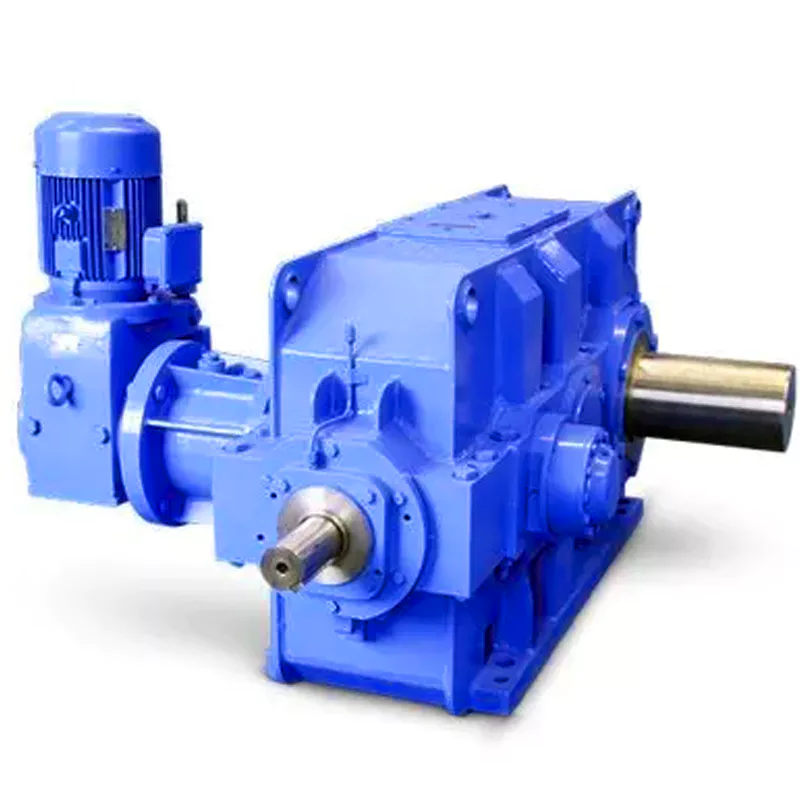
What are the benefits of using a gear reducer in industrial applications?
Gear reducers offer several benefits that make them indispensable in various industrial applications:
1. Speed Reduction: Gear reducers allow the reduction of high-speed input from motors or engines to lower, more usable output speeds for specific applications, ensuring proper equipment operation and safety.
2. Torque Increase: By leveraging the mechanical advantage of gear ratios, gear reducers can significantly increase torque output, enabling the handling of heavy loads and providing the necessary power for tasks such as lifting, conveying, and processing.
3. Precise Control: Gear reducers enable fine-tuning of rotational speed and torque, providing precise control over machinery and processes, which is crucial in industries like manufacturing, material handling, and robotics.
4. Shock Load Absorption: Gear reducers can absorb and dampen sudden shocks or changes in load, protecting both the machinery and connected components from abrupt forces that could otherwise lead to damage.
5. Versatility: With various gear types (e.g., spur, helical, worm) and designs, gear reducers can be tailored to different applications, including those requiring specific speed ratios, torque ranges, and environmental conditions.
6. Efficient Power Transmission: Gear reducers offer high mechanical efficiency, minimizing energy loss during power transmission, which is especially valuable in energy-conscious industries.
7. Compact Design: Gear reducers provide a compact solution for transmitting power and adjusting speeds, making them suitable for installations with space constraints.
8. Reliability and Longevity: Well-designed and properly maintained gear reducers can offer extended service life, contributing to reduced downtime and maintenance costs.
Overall, gear reducers enhance the performance, efficiency, and reliability of industrial equipment, making them essential components in a wide range of applications across various industries.


editor by CX 2024-04-19