Product Description
316 Series inline Planetary Gearbox Gear Reducer 316L1 316L2 316L3 316L4 316R3 316R4 replacement of bonfiglioli
Product Description
The 300L series and 300R series planetary gearboxes can be interchangeable with the following models of Trasmital Bonfiglioli
| 300L 1 | 300L 2 | 300L 3 | 300L 4 | 300R2 | 300R3 | 300R4 |
| 301L 1 | 301L 2 | 301L 3 | 301L 4 | 301R2 | 301R3 | 301R4 |
| 303L 1 | 303L 2 | 303L 3 | 303L 4 | 303R2 | 303R3 | 303R4 |
| 305L 1 | 305L 2 | 305L 3 | 305L 4 | 305R2 | 305R3 | 305R4 |
| 306L 1 | 306L 2 | 306L 3 | 306L 4 | 306R2 | 306R3 | 306R4 |
| 307L 1 | 307L 2 | 307L 3 | 307L 4 | 307R2 | 307R3 | 307R4 |
| 309L 1 | 309L 2 | 309L 3 | 309L 4 | 309R2 | 309R3 | 309R4 |
| 310L 1 | 310L 2 | 310L 3 | 310L 4 | 310R2 | 310R3 | 310R4 |
| 311L 1 | 311L 2 | 311L 3 | 311L 4 | 311R2 | 311R3 | 311R4 |
| 313L 1 | 313L 2 | 313L 3 | 313L 4 | 313R2 | 313R3 | 313R4 |
| 315L 1 | 315L 2 | 315L 3 | 315L 4 | 315R3 | 315R4 | |
| 316L 1 | 316L 2 | 316L 3 | 316L 4 | 316R3 | 316R4 | |
| 317L 1 | 317L 2 | 317L 3 | 317L 4 | 317R3 | 317R4 | |
| 318L 1 | 318L 2 | 318L 3 | 318L 4 | 318R4 | ||
| 319L 1 | 319L 2 | 319L 3 | 319L 4 | 319R4 | ||
| 321L 1 | 321L 2 | 321L 3 | 321L 4 | 321R4 |
-
Torque range
1,000 … 1,100,000 Nm (8,850 … 9,735,820 in-lb) -
Gear ratios
3.4 … 5,000 -
Transmissible Mechanical Power
up to 1,050 kW -
Brake options
Hydraulic brake
Hydraulically released parking brake on request
Electric brake
DC and AC type -
Output
Foot and flange mounted
Output shaft: CHINAMFG with key, splined, splined hollow, hollow with shrink disc -
Input
Flanged axial piston hydraulic motors
Hydraulic orbit motors
IEC and Nema motor adapters
Solid input shaft -
Applicable motors
Piston hydraulic motors
Hydraulic orbit motors
Electric motors IEC
Key Features
1. Torque range: 1000-450.000 Nm
2. Transmissible mechanical power: up to 540 kW
3. Gear ratios: 3.4-9.000
4. Gear unit versions: in line
5. Output configurations:
1) Foot and flange mounted
2) Output shaft: CHINAMFG with key, splined, splined hollow
3) Hollow with shrink disc
6. Input configurations:
1) Flanged axial piston hydraulic motors
2) Hydraulic orbit motors
3) IEC and Nema motor adaptors
4) CHINAMFG input shaft
7. Hydraulic brake: hydraulically released parking brake
8. Electric brake: DC and AC type
Application
Our factory
Related Products
For more reducers and mechanical accessories, please click here to view
| Application: | Motor, Electric Cars, Motorcycle, Machinery, Marine, Toy, Agricultural Machinery, Car |
|---|---|
| Function: | Distribution Power, Speed Changing, Speed Reduction |
| Layout: | Wrom |
| Hardness: | Hardened Tooth Surface |
| Installation: | Planetary |
| Step: | Planetary |
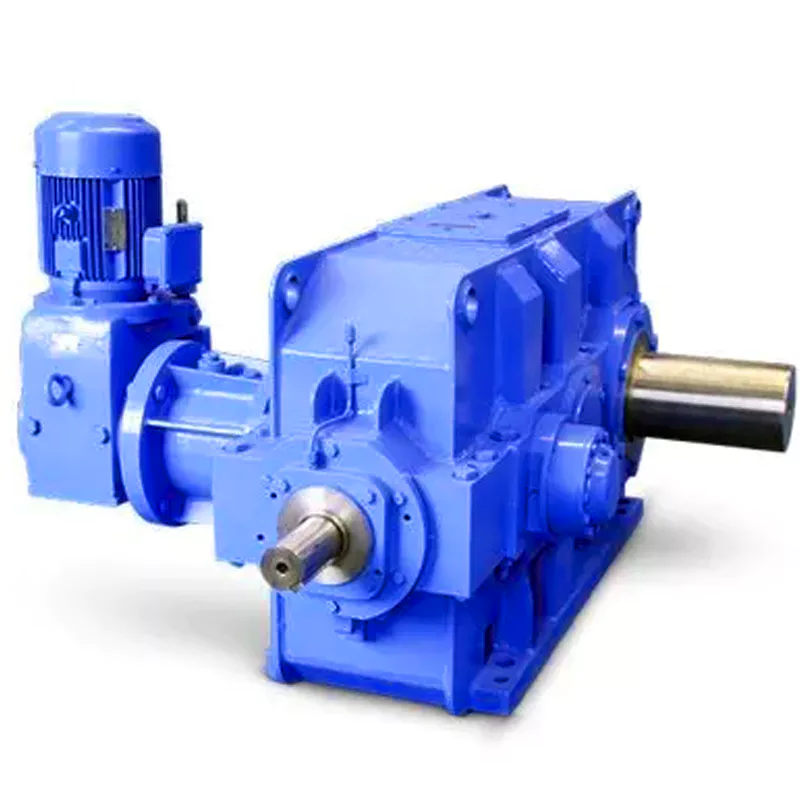
What are the considerations for choosing the appropriate lubrication for gear reducers?
Choosing the appropriate lubrication for gear reducers is crucial for ensuring optimal performance, longevity, and efficiency. Several considerations should be taken into account when selecting the right lubrication:
1. Load and Torque: The magnitude of the load and torque transmitted by the gear reducer affects the lubrication’s viscosity and film strength requirements. Heavier loads may necessitate higher viscosity lubricants.
2. Operating Speed: The speed at which the gear reducer operates impacts the lubrication’s ability to maintain a consistent and protective film between gear surfaces.
3. Temperature Range: Consider the temperature range of the operating environment. Lubricants with suitable viscosity indexes are crucial to maintaining performance under varying temperature conditions.
4. Contaminant Exposure: If the gear reducer is exposed to dust, dirt, water, or other contaminants, the lubrication should have proper sealing properties and resistance to contamination.
5. Lubrication Interval: Determine the desired maintenance interval. Some lubricants require more frequent replacement, while others offer extended operational periods.
6. Compatibility with Materials: Ensure that the chosen lubricant is compatible with the materials used in the gear reducer, including gears, bearings, and seals.
7. Noise and Vibration: Some lubricants have properties that can help reduce noise and dampen vibrations, improving the overall user experience.
8. Environmental Impact: Consider environmental regulations and sustainability goals when selecting lubricants.
9. Manufacturer Recommendations: Follow the manufacturer’s recommendations and guidelines for lubrication type, viscosity grade, and maintenance intervals.
10. Monitoring and Analysis: Implement a lubrication monitoring and analysis program to assess lubricant condition and performance over time.
By carefully evaluating these considerations and consulting with lubrication experts, industries can choose the most suitable lubrication for their gear reducers, ensuring reliable and efficient operation.
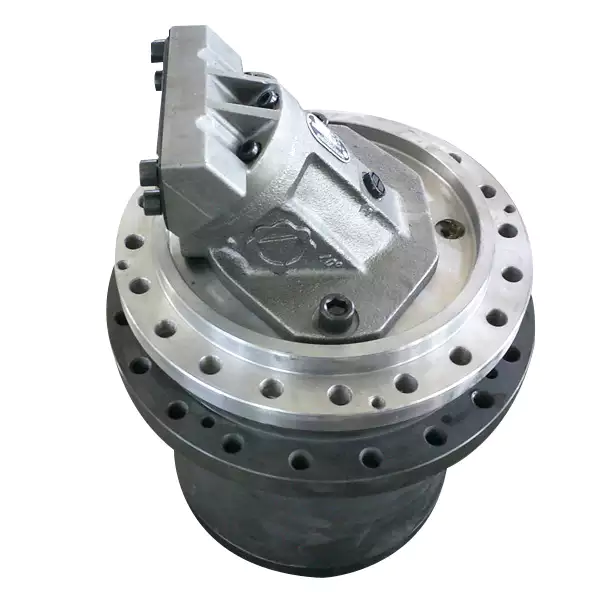
What factors should be considered when selecting the right gear reducer?
Choosing the appropriate gear reducer involves considering several crucial factors to ensure optimal performance and efficiency for your specific application:
- 1. Torque and Power Requirements: Determine the amount of torque and power your machinery needs for its operation.
- 2. Speed Ratio: Calculate the required speed reduction or increase to match the input and output speeds.
- 3. Gear Type: Select the appropriate gear type (helical, bevel, worm, planetary, etc.) based on your application’s torque, precision, and efficiency requirements.
- 4. Mounting Options: Consider the available space and the mounting configuration that suits your machinery.
- 5. Environmental Conditions: Evaluate factors such as temperature, humidity, dust, and corrosive elements that may impact the gear reducer’s performance.
- 6. Efficiency: Assess the gear reducer’s efficiency to minimize power losses and improve overall system performance.
- 7. Backlash: Consider the acceptable level of backlash or play between gear teeth, which can affect precision.
- 8. Maintenance Requirements: Determine the maintenance intervals and procedures necessary for reliable operation.
- 9. Noise and Vibration: Evaluate noise and vibration levels to ensure they meet your machinery’s requirements.
- 10. Cost: Compare the initial cost and long-term value of different gear reducer options.
By carefully assessing these factors and consulting with gear reducer manufacturers, engineers and industry professionals can make informed decisions to select the right gear reducer for their specific application, optimizing performance, longevity, and cost-effectiveness.
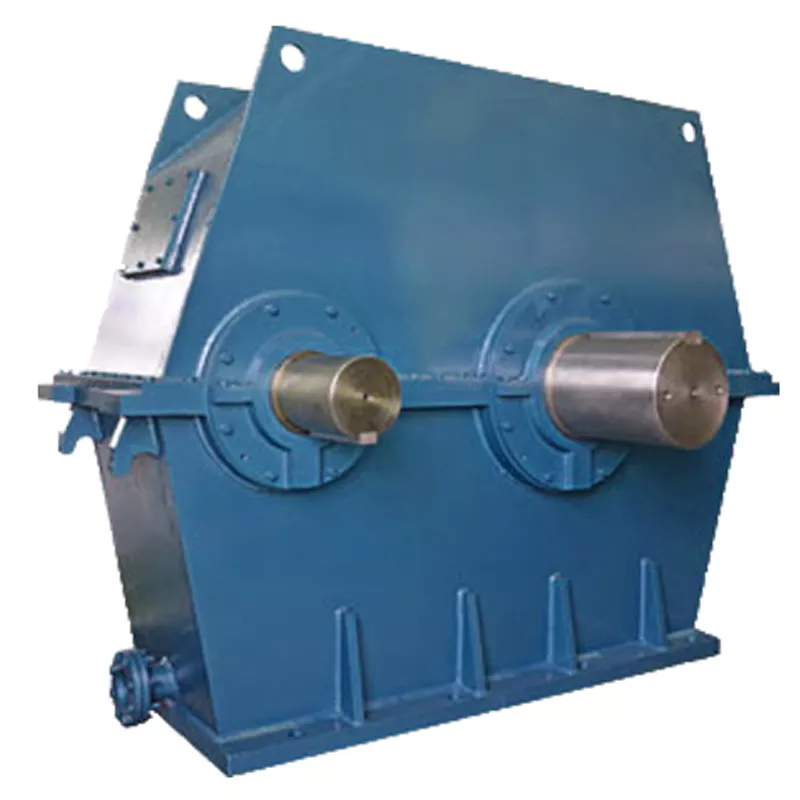
Function of Gear Reducers in Mechanical Systems
A gear reducer, also known as a gear reduction unit or gearbox, is a mechanical device designed to reduce the speed of an input shaft while increasing its torque output. It accomplishes this through the use of a set of interlocking gears with different sizes.
The primary function of a gear reducer in mechanical systems is to:
- Speed Reduction: The gear reducer takes the high-speed rotation of the input shaft and transmits it to the output shaft through a set of gears. The gears are configured in such a way that the output gear has a larger diameter than the input gear. As a result, the output shaft rotates at a lower speed than the input shaft, but with increased torque.
- Torque Increase: Due to the size difference between the input and output gears, the torque applied to the output shaft is greater than that of the input shaft. This torque multiplication allows the system to handle heavier loads and perform tasks requiring higher force.
Gear reducers are widely used in various industries and applications where it’s necessary to adapt the speed and torque characteristics of a power source to meet the requirements of the driven equipment. They can be found in machinery such as conveyor systems, industrial machinery, vehicles, and more.


editor by CX 2023-10-11