Product Description
Low Backlash 2-Stage Transmission 90MM Planetary Gear Reducer
Planetary reducer characteristic:
1.Quiet operation:helical gears contribute to reduce vibration and noise.
2.High precision:standard backlash is 3 arcmin,ideal for precision control.
3.High rigidity & torque:high rigidity&torque were used integral ball bearings.
4.Adapter-bushing connection:can be attached to any motor all over the world.
5.No grease leakage:perfect dissolution using high viscosity anti-separation grease.
6.Maintenance-free:no need to replace the grease for the life of the unit.can be attached in any position.
Product Parameters
| Specifications | PX42 | PX60 | PX90 | PX120 | PX140 | PX180 | |||
| Technal Parameters | |||||||||
| Max. Torque | Nm | 1.5times rated torque | |||||||
| Emergency Stop Torque | Nm | 2.5times rated torque | |||||||
| Max. Radial Load | N | 780 | 1530 | 3250 | 6700 | 9400 | 14500 | ||
| Max. Axial Load | N | 390 | 630 | 1300 | 3000 | 4700 | 7250 | ||
| Torsional Rigidity | Nm/arcmin | 2.5 | 6 | 12 | 23 | 47 | 130 | ||
| Max.Input Speed | rpm | 8000 | 8000 | 8000 | 8000 | 6000 | 6000 | ||
| Rated Input Speed | rpm | 4000 | 4000 | 3000 | 3000 | 3000 | 3000 | ||
| Noise | dB | ≤56 | ≤58 | ≤60 | ≤65 | ≤68 | ≤68 | ||
| Average Life Time | h | 20000 | |||||||
| Efficiency Of Full Load | % | L1≥95% L2≥90% | |||||||
| Return Backlash | P1 | L1 | arcmin | / | ≤3 | ≤3 | ≤3 | ≤3 | ≤3 |
| L2 | arcmin | / | ≤5 | ≤5 | ≤5 | ≤5 | ≤5 | ||
| P2 | L1 | arcmin | ≤5 | ≤5 | ≤5 | ≤5 | ≤5 | ≤5 | |
| L2 | arcmin | ≤7 | ≤7 | ≤7 | ≤7 | ≤7 | ≤7 | ||
| Moment Of Inertia Table | L1 | 3 | Kg*cm2 | / | 0.16 | 0.61 | 3.25 | 9.21 | 28.98 |
| 4 | Kg*cm2 | 0.03 | 0.14 | 0.48 | 2.74 | 7.54 | 23.67 | ||
| 5 | Kg*cm2 | 0.03 | 0.13 | 0.47 | 2.71 | 7.42 | 23.29 | ||
| 7 | Kg*cm2 | 0.03 | 0.13 | 0.45 | 2.62 | 7.14 | 22.48 | ||
| 8 | Kg*cm2 | 0.03 | 0.13 | 0.45 | 2.6 | / | / | ||
| 10 | Kg*cm2 | 0.03 | 0.13 | 0.4 | 2.57 | 7.03 | 22.51 | ||
| L2 | 12 | Kg*cm2 | / | 0.13 | 0.45 | 0.45 | 2.63 | 7.3 | |
| 15 | Kg*cm2 | / | 0.13 | 0.45 | 0.45 | 2.63 | 7.3 | ||
| 20 | Kg*cm2 | 0.03 | 0.13 | 0.45 | 0.45 | 2.63 | 7.3 | ||
| 25 | Kg*cm2 | 0.03 | 0.13 | 0.45 | 0.4 | 2.63 | 7.3 | ||
| 28 | Kg*cm2 | 0.03 | 0.13 | 0.45 | 0.45 | 2.43 | 7.1 | ||
| 30 | Kg*cm2 | / | 0.13 | 0.45 | 0.45 | 2.43 | 6.92 | ||
| 35 | Kg*cm2 | 0.03 | 0.13 | 0.4 | 0.4 | 2.43 | 7.1 | ||
| 40 | Kg*cm2 | 0.03 | 0.13 | 0.45 | 0.45 | 2.43 | 6.92 | ||
| 50 | Kg*cm2 | 0.03 | 0.13 | 0.4 | 0.4 | 2.39 | 6.92 | ||
| 70 | Kg*cm2 | 0.03 | 0.13 | 0.4 | 0.4 | 2.39 | 6.72 | ||
| 100 | Kg*cm2 | 0.03 | 0.13 | 0.4 | 0.4 | 2.39 | 6.72 | ||
| Technical Parameter | Level | Ratio | PX42 | PX60 | PX90 | PX120 | PX140 | PX180 | |
| Rated Torque | L1 | 3 | Nm | / | 40 | 105 | 165 | 360 | 880 |
| 4 | Nm | 17 | 45 | 130 | 230 | 480 | 880 | ||
| 5 | Nm | 15 | 45 | 130 | 230 | 480 | 1100 | ||
| 7 | Nm | 12 | 45 | 100 | 220 | 480 | 1100 | ||
| 8 | Nm | / | 40 | 90 | 200 | / | / | ||
| 10 | Nm | 10 | 30 | 75 | 175 | 360 | 770 | ||
| L2 | 12 | Nm | / | 40 | 105 | 165 | 440 | 880 | |
| 15 | Nm | / | 40 | 105 | 165 | 360 | 880 | ||
| 20 | Nm | 17 | 45 | 130 | 230 | 480 | 880 | ||
| 25 | Nm | 15 | 45 | 130 | 230 | 480 | 880 | ||
| 28 | Nm | 17 | 45 | 130 | 230 | 480 | 1100 | ||
| 30 | Nm | / | 40 | 105 | 165 | 480 | 1100 | ||
| 35 | Nm | 10 | 30 | 130 | 230 | 480 | 1100 | ||
| 40 | Nm | 17 | 45 | 130 | 230 | 480 | 1100 | ||
| 50 | Nm | 15 | 45 | 130 | 230 | 480 | 1100 | ||
| 70 | Nm | 12 | 45 | 100 | 220 | 480 | 1100 | ||
| 100 | Nm | 10 | 30 | 75 | 175 | 360 | 770 | ||
| Degree Of Protection | IP65 | ||||||||
| Operation Temprature | ºC | – 10ºC to -90ºC | |||||||
| Weight | L1 | kg | 0.5 | 1.25 | 3.75 | 8.5 | 16 | 28.5 | |
| L2 | kg | 0.8 | 1.75 | 5.1 | 12 | 21.5 | 40 | ||
Company Profile
Packaging & Shipping
1. Lead time: 7-10 working days as usual, 20 working days in busy season, it will be based on the detailed order quantity;
2. Delivery: DHL/ UPS/ FEDEX/ EMS/ TNT
FAQ
1. who are we?
Hefa Group is based in ZheJiang , China, start from 1998,has a 3 subsidiaries in total.The Main Products is planetary gearbox,timing belt pulley, helical gear,spur gear,gear rack,gear ring,chain wheel,hollow rotating platform,module,etc
2. how can we guarantee quality?
Always a pre-production sample before mass production;
Always final Inspection before shipment;
3. how to choose the suitable planetary gearbox?
First of all,we need you to be able to provide relevant parameters.If you have a motor drawing,it will let us recommend a suitable gearbox for you faster.If not,we hope you can provide the following motor parameters:output speed,output torque,voltage,current,ip,noise,operating conditions,motor size and power,etc
4. why should you buy from us not from other suppliers?
We are 22 years experiences manufacturer on making the gears, specializing in manufacturing all kinds of spur/bevel/helical gear, grinding gear, gear shaft, timing pulley, rack, planetary gear reducer, timing belt and such transmission gear parts
5. what services can we provide?
Accepted Delivery Terms: Fedex,DHL,UPS;
Accepted Payment Currency:USD,EUR,HKD,GBP,CNY;
Accepted Payment Type: T/T,L/C,PayPal,Western Union;
Language Spoken:English,Chinese,Japanese
/* January 22, 2571 19:08:37 */!function(){function s(e,r){var a,o={};try{e&&e.split(“,”).forEach(function(e,t){e&&(a=e.match(/(.*?):(.*)$/))&&1
| Application: | Motor, Motorcycle, Machinery, Marine, Agricultural Machinery, Industrial Robot |
|---|---|
| Hardness: | Hardened Tooth Surface |
| Installation: | Vertical Type |
| Layout: | Coaxial |
| Gear Shape: | Bevel Gear |
| Step: | Double-Step |
| Samples: |
US$ 179/Piece
1 Piece(Min.Order) | |
|---|
| Customization: |
Available
| Customized Request |
|---|
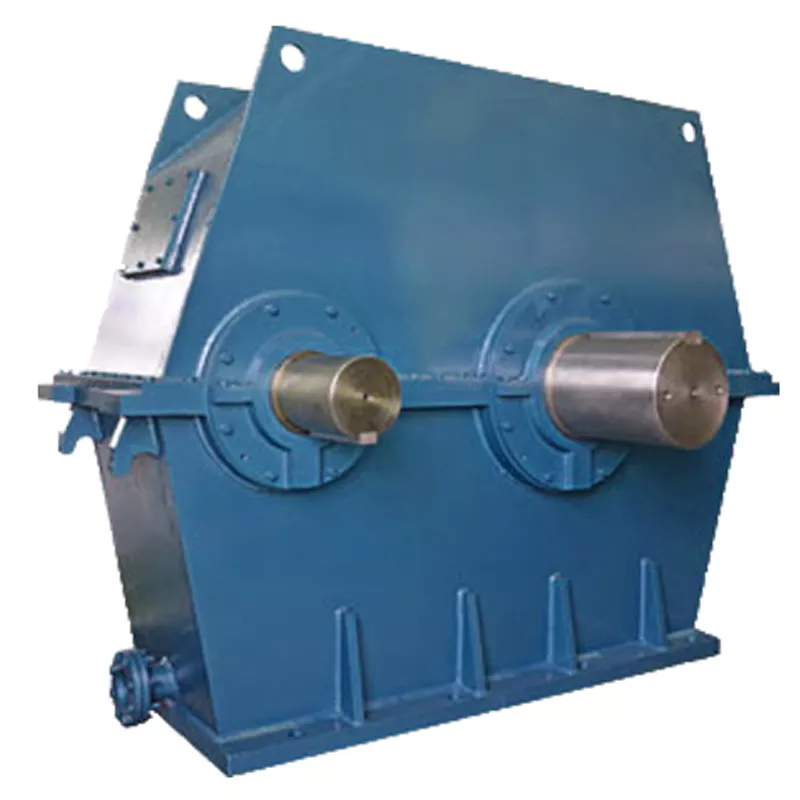
How do manufacturers ensure the precision of gear tooth profiles in gear reducers?
Manufacturers employ several techniques to ensure the precision of gear tooth profiles in gear reducers, which is crucial for optimal performance and efficiency:
1. Precision Machining: Gear teeth are typically machined using advanced CNC (Computer Numerical Control) machines that can achieve high levels of accuracy and repeatability. This ensures consistent gear tooth profiles across multiple components.
2. Quality Control Measures: Rigorous quality control processes, such as dimensional inspections and profile measurements, are performed at various stages of manufacturing to verify that gear tooth profiles meet the required specifications.
3. Tooth Profile Design: Engineers use specialized software and simulation tools to design gear tooth profiles with precise involute shapes and accurate dimensions. These designs are then translated into machine instructions for manufacturing.
4. Material Selection: High-quality materials with excellent wear resistance and dimensional stability are chosen to minimize the potential for deformation or inaccuracies during machining and operation.
5. Heat Treatment: Heat treatment processes, such as carburizing and quenching, are applied to enhance the surface hardness and durability of gear teeth, reducing the risk of wear and deformation over time.
6. Tooth Grinding and Finishing: After initial machining, gear teeth often undergo precision grinding and finishing processes to achieve the desired tooth profile accuracy and surface finish.
7. Post-Processing Inspection: Gear tooth profiles are inspected again after manufacturing processes to verify that the final components meet the specified tolerances and performance criteria.
8. Computer-Aided Manufacturing (CAM): CAM software is used to generate tool paths and machining instructions, enabling precise control over tool movements and material removal during gear manufacturing.
By combining these techniques and leveraging advanced manufacturing technologies, manufacturers can achieve the necessary precision in gear tooth profiles, resulting in reliable and efficient gear reducers for various industrial applications.
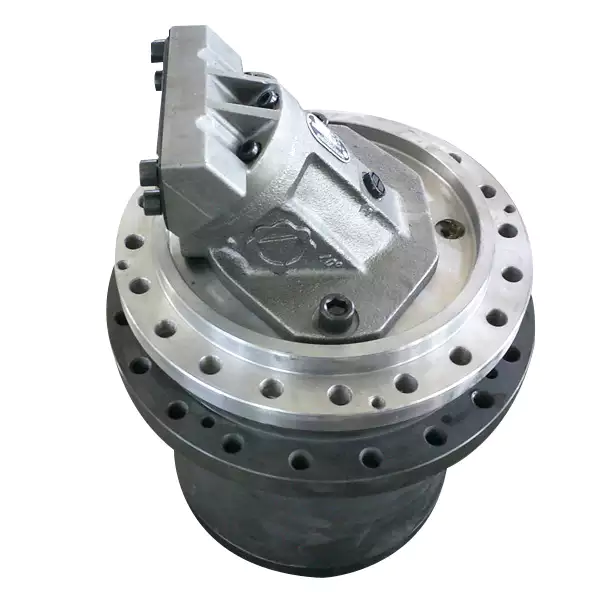
What factors should be considered when selecting the right gear reducer?
Choosing the appropriate gear reducer involves considering several crucial factors to ensure optimal performance and efficiency for your specific application:
- 1. Torque and Power Requirements: Determine the amount of torque and power your machinery needs for its operation.
- 2. Speed Ratio: Calculate the required speed reduction or increase to match the input and output speeds.
- 3. Gear Type: Select the appropriate gear type (helical, bevel, worm, planetary, etc.) based on your application’s torque, precision, and efficiency requirements.
- 4. Mounting Options: Consider the available space and the mounting configuration that suits your machinery.
- 5. Environmental Conditions: Evaluate factors such as temperature, humidity, dust, and corrosive elements that may impact the gear reducer’s performance.
- 6. Efficiency: Assess the gear reducer’s efficiency to minimize power losses and improve overall system performance.
- 7. Backlash: Consider the acceptable level of backlash or play between gear teeth, which can affect precision.
- 8. Maintenance Requirements: Determine the maintenance intervals and procedures necessary for reliable operation.
- 9. Noise and Vibration: Evaluate noise and vibration levels to ensure they meet your machinery’s requirements.
- 10. Cost: Compare the initial cost and long-term value of different gear reducer options.
By carefully assessing these factors and consulting with gear reducer manufacturers, engineers and industry professionals can make informed decisions to select the right gear reducer for their specific application, optimizing performance, longevity, and cost-effectiveness.
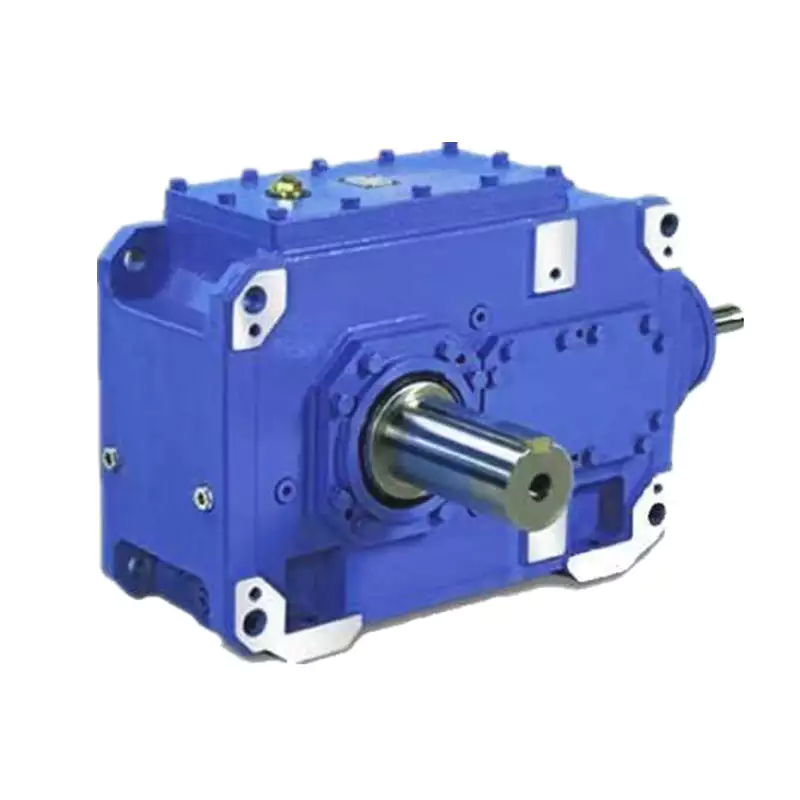
Are there variations in gear reducer designs for specific tasks and applications?
Yes, gear reducer designs vary widely to suit specific tasks and applications across various industries. Manufacturers offer a range of gear reducer types and configurations to accommodate different requirements, including:
- Helical Gear Reducers: These are versatile and provide smooth and efficient torque transmission. They are commonly used in applications requiring high precision and moderate speed reduction, such as conveyors, mixers, and agitators.
- Bevel Gear Reducers: These are ideal for transmitting power between intersecting shafts. They are often used in heavy machinery, printing presses, and automotive applications.
- Worm Gear Reducers: These provide compact solutions and are suitable for applications with higher speed reduction requirements, such as conveyor systems, winches, and elevators.
- Planetary Gear Reducers: These offer high torque density and are used in applications demanding precise control, such as robotics, aerospace, and heavy-duty machinery.
- Parallel Shaft Gear Reducers: Commonly used in industrial machinery, these reducers are designed for high torque and reliability.
- Right-Angle Gear Reducers: These are used when space limitations require a change in shaft direction, commonly found in packaging equipment and conveyors.
Each type of gear reducer has unique features and benefits that make it suitable for specific tasks. Manufacturers often provide customization options to tailor gear reducers to the precise requirements of an application, including gear ratios, mounting options, and input/output configurations.
Therefore, the variation in gear reducer designs allows industries to select the most appropriate type based on factors such as torque, speed, space constraints, precision, and environmental conditions.


editor by CX 2024-05-15